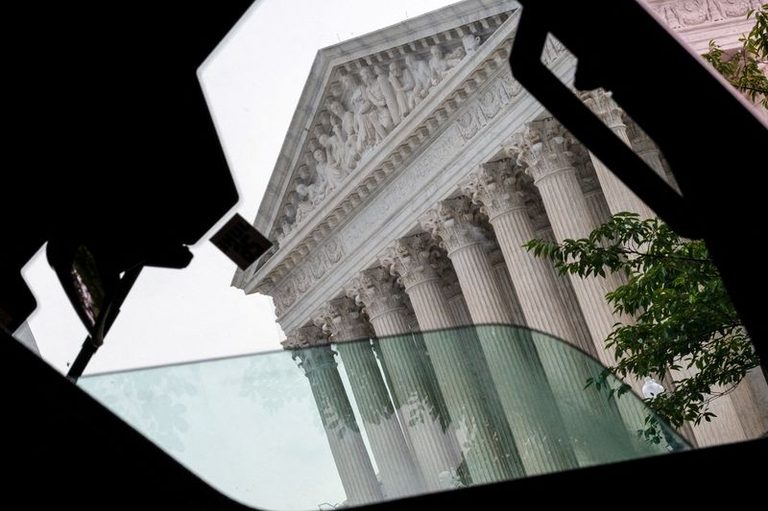
The U.S. Supreme Court has handed down a decision that significantly expands the president’s power to remove heads of regulatory agencies. In a 6-3 ruling, the court determined that a president can fire agency officials who wield executive power, such as Democratic Federal Trade Commission member Rebecca Slaughter.
Background
The case, Trump v. Slaughter, centered on the president’s authority to remove agency officials. The court’s decision overturns a 1935 precedent, Humphrey’s Executor v. United States, which had protected certain regulatory agency officials from presidential removal. The Trump administration argued that the modern Federal Trade Commission had grown to wield substantial executive power, rendering the earlier decision obsolete.
Legal experts say the ruling marks a significant victory for the ‘unitary executive’ theory, which holds that the president has sole authority over the executive branch. The decision is expected to have far-reaching implications for the balance of power between the president and regulatory agencies.
Implications
The ruling is likely to lead to greater politicization of federal regulatory agencies, as presidents will have more control over their leadership. This could result in broader swings in regulatory policy when administrations change. Critics argue that the decision undermines the independence of regulatory agencies and could lead to abuse of power by the president.
Supporters of the decision, on the other hand, argue that it is a necessary correction to the balance of power between the president and regulatory agencies. They contend that the president, as the elected head of the executive branch, should have greater control over the agencies that carry out the administration’s policies.
Original reporting: Appleton, WI News Feed (HLL/CB) — read the source article.