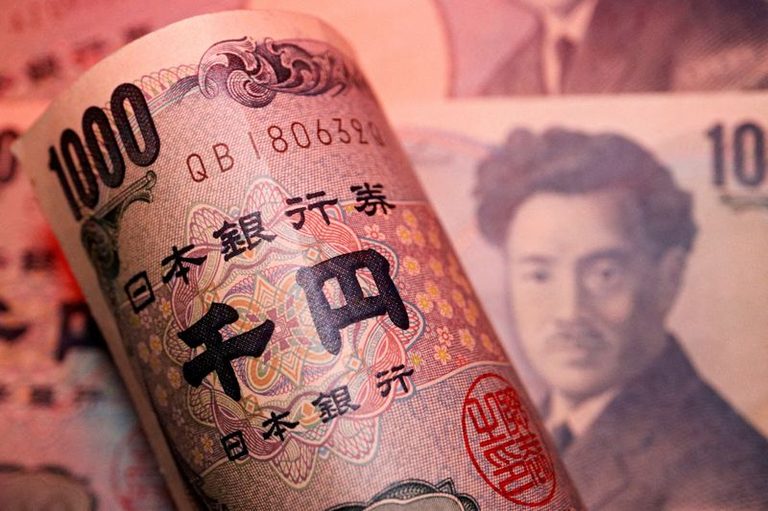
The yen has broken through a long-defended 162-per-dollar level, reaching its weakest point in four decades. This shift has led to expectations that Japan may tolerate more yen weakness, with 165 increasingly viewed as the next line in the sand for official intervention.
Intervention Framework Evolves
Analysts believe Tokyo is likely to avoid intervention at current levels, as previous attempts have failed to reverse the yen’s decline. The added problem of a resilient dollar, bolstered by elevated interest rates and geopolitics, further complicates the situation.
Japan’s intervention framework is evolving, with speed and disorder rather than a fixed level driving intervention decisions. The 163-165 zone is seen as the next threshold to watch, with warnings having lost their effectiveness due to being front-run.
The dollar-yen rate crossed the 162-level on Tuesday for the first time since 1986, exceeding a level perceived to be a ceiling for policymakers. This move has effectively erased the impact of Tokyo’s record 11.7 trillion yen intervention campaign in April and May.
Finance Minister Satsuki Katayama has reiterated her warning that authorities are ready to respond to currency moves, but verbal warnings have failed to nudge the dollar-yen rate lower. A weakening trend for the yen accelerated when fiscally dovish Sanae Takaichi rose to the premiership last October and then again as the war in Iran sent prices for imported oil sharply higher.
Market Expectations
The Bank of Japan’s rate hike this month came too late to bolster the currency, which is now largely at the whim of broad-based dollar strength and expectations for rate hikes by the Federal Reserve and other central banks. The best policy for Japan is for the BOJ to speed up its hike frequency to let the market know it is becoming more active in supporting the yen.
Given the accumulation of yen shorts, intervention could have a significant impact if carried out. A difference maker in the playbook would be if the U.S. joins Japan in coordinated intervention, with Japanese officials having frequently cited a joint statement signed with Washington last September that allowed for such action to combat excessive volatility.
Original reporting: Appleton, WI News Feed (HLL/CB) — read the source article.