By eight o’clock on a Sunday morning, the parking lot off Walton Road is already half full. Cars ease into spaces alongside pickup trucks, and the smell — roasted coffee and something sweet, maybe kettle corn — reaches the lot before anyone gets to the stalls. The St. Lucie County Farmers Market runs every Sunday from 8 a.m. to 1 p.m., and the people who come early know exactly why they bother.
The market sets up outside the St. Lucie County Civic Center on Virginia Avenue, about a mile from the river. It’s not a huge market — maybe thirty to forty vendors depending on the season — but it’s consistent, which matters more than size. The same faces show up most weeks: the honey people from the inland groves, the woman who sells cold-pressed juice out of a cooler the size of a small boat, the guy with the citrus who can name every variety he’s carrying without looking at the sign.
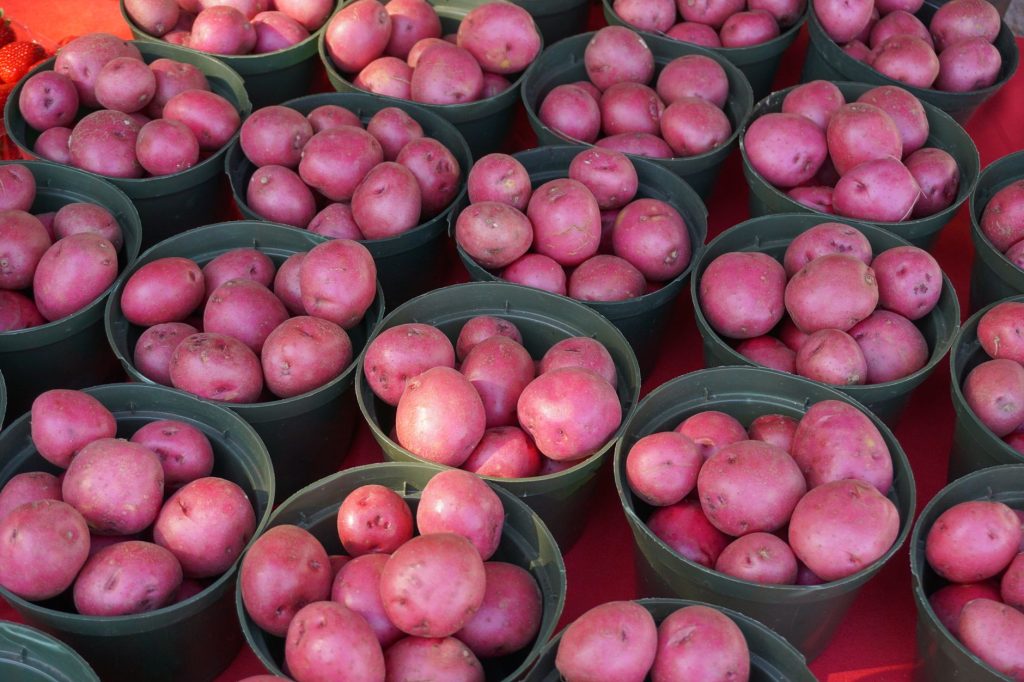
Produce is the backbone. In winter and early spring, you’ll find tomatoes worth buying — actual tomatoes, not the cardboard spheres from a chain store — along with microgreens, sweet peppers, radishes, and herbs in small pots that people pick up for their kitchen windowsills. Summer thins things out, as it does everywhere in Florida, but regulars know to arrive before nine in any season if they want first pick of whatever’s freshest.
There are prepared-food vendors mixed in. One stall does empanadas — beef, chicken, and a spinach-and-cheese option that sells out before ten most mornings. Another does Colombian arepas with a rotating filling. The coffee vendor pours from a small espresso setup and does a decent cortado; nothing fussy, just competent and hot. A bread baker brings sourdough and a honey-oat loaf that’s better than what most Port St. Lucie grocery stores carry in their whole bakery section.
The crowd is genuinely mixed: older couples who walk the whole loop twice, younger families with kids in strollers, a contingent of regulars who seem to know the vendors by first name and linger at certain stalls longer than they need to. Conversations happen. Someone asks about a recipe. Someone else asks when the mangoes will be back. A vendor hands a child a strawberry without ceremony.
The market is run by the county, not a private promoter, which keeps the vendor fees lower and the barrier to entry a little more accessible for small growers. You’ll occasionally see a vendor who just started — maybe a backyard beekeeper or someone trying their first season selling baked goods — alongside people who’ve been coming for years. That mix keeps it from feeling staged.
Bring cash if you can; not every vendor has a card reader, and the ones who do sometimes have spotty signal in the parking lot. Budget ten to twenty dollars for a solid haul — a bunch of greens, some fruit, an empanada, coffee — or double that if you’re stocking up on honey, jams, or a loaf of bread. Plan for an hour if you’re moving at a normal pace; longer if you stop to talk.
By eleven, the crowd thickens and the best produce has moved. By noon, a few vendors are already packing. The sweet spot is that first hour — coffee in hand, sun still low enough to be pleasant, the week’s groceries taking shape one stall at a time.