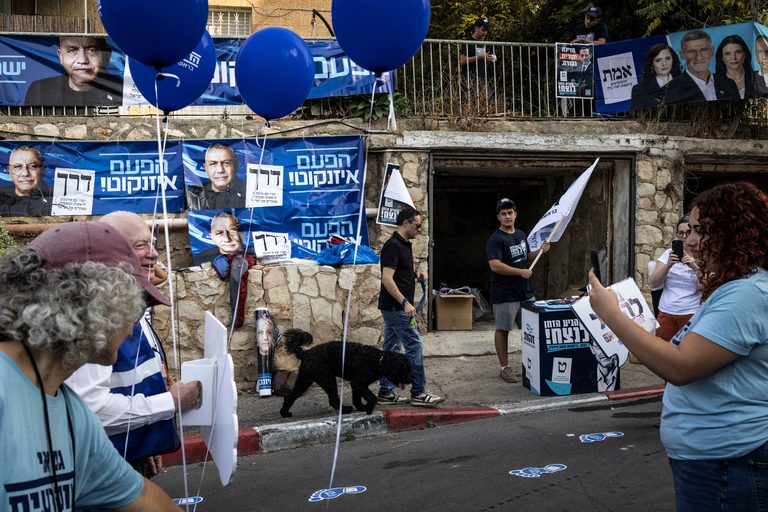
On Tuesday, Israelis across the country will cast ballots in a critical national election that comes as the nation remains embroiled in the aftermath of the 2023 Hamas attack and ongoing regional tensions. The vote is the first nationwide poll since the Oct. 7, 2023 tragedy that sparked the current Gaza war and heightened security concerns throughout the Middle East.
Key candidates and the stakes
Incumbent Prime Minister Benjamin Netanyahu is seeking another term, positioning himself as a steady hand who has guided Israel through multiple wars and who promises to protect the Jewish identity of the state while keeping the judiciary in check. His supporters argue that his experience and firm stance against Iran and hostile actors provide essential stability during a period of war.
His main rival, former military chief Gadi Eisenkot, is campaigning on a platform of security and institutional reform. Eisenkot, whose son and two nephews were killed in Gaza, emphasizes a personal commitment to Israel’s safety and pledges to improve the country’s international standing, conscript ultra‑Orthodox men, and bolster judicial independence.
Electoral dynamics
Israel’s parliamentary system has never produced a single‑party majority, so coalition‑building will be decisive. Analysts note that neither Netanyahu’s religious‑ultranationalist bloc nor the coalition of parties seeking his removal may secure an outright majority, potentially leading to weeks of negotiations before a government is formed.
Arab‑led parties, which are urging high turnout, could become kingmakers if they align with either side. Tens of thousands of overseas Israelis have also traveled home to vote, underscoring the election’s significance for the diaspora.
Public sentiment and polling
Opinion polls suggest a tight race, with Eisenkot emerging as the primary challenger. Over 7 million citizens are eligible to vote, including roughly 330 000 first‑time voters, many of whom face compulsory military service under the shadow of ongoing conflict.
Security backdrop
In the weeks leading up to the election, Netanyahu intensified rhetoric against Iran, appearing beside a missile‑defense battery and warning Tehran of a “devastating blow” if it attacks Israel. This hard‑line posture reflects his administration’s focus on deterrence and national defense.
Human dimension
In Tel Aviv, families of victims of the Oct. 7 attack gathered for a moment of silence before polls opened. Yona Adam, whose daughter Mapal was killed, urged voters to remember those who can no longer speak.
What the outcome could mean
If Netanyahu retains power, his supporters expect continuity in a security‑first approach and a firm stance against regional adversaries. If Eisenkot succeeds, his backers anticipate a shift toward greater international cooperation, stricter conscription of ultra‑Orthodox men, and reinforced judicial independence.
Both sides claim to protect Israel’s democratic foundations, but they differ on how to balance religious influence, military service, and foreign policy. The election will therefore serve as a referendum not only on Netanyahu’s leadership but also on the broader direction of Israeli society—whether it leans toward a more religious‑nationalist model or embraces a liberal, secular trajectory.
Looking ahead
Regardless of the result, the formation of a governing coalition will likely take weeks, given Israel’s fragmented party landscape. The international community, which has expressed criticism of Israel’s conduct in Gaza and the West Bank, will be watching closely to see how the new government addresses diplomatic isolation and regional security challenges.
Original reporting: NBC10 Boston — read the source article.