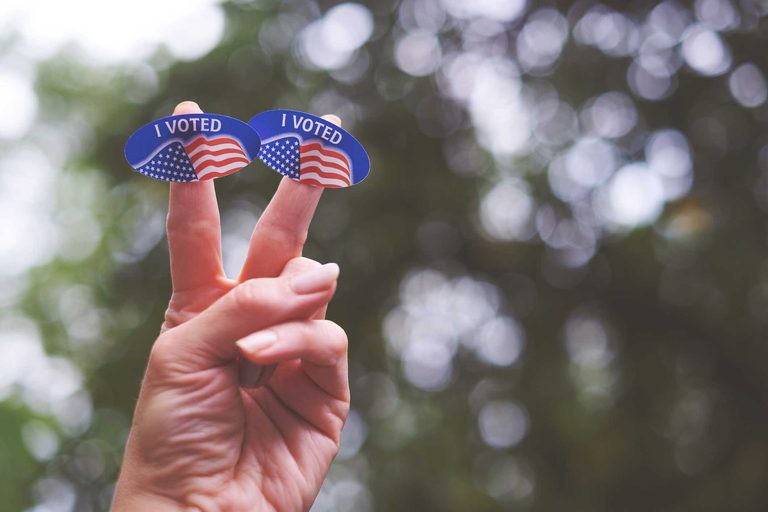
A recent study published in The Journals of Gerontology: Series B examined the health outcomes of roughly 4,200 older adults from Wisconsin who participated in the 2008, 2012 and earlier elections. Researchers found that voting was associated with a markedly lower risk of premature death by 2023.
Key findings
Participants who voted in the 2008 presidential election experienced a 45% lower risk of death after five years, a 37% reduction after ten years, and a 29% reduction after fifteen years. Those who voted in 2012 enjoyed a 32% lower risk of early death over the same time frames. By contrast, voting in the 2004 election showed no measurable effect on mortality.
The benefits appeared regardless of whether voters cast ballots in person or remotely, though in‑person voting showed a slight edge. The association held across political affiliation, financial resources and a range of health measures, including smoking status, alcohol use, functional limitations, vision, hearing, pain and emotional well‑being.
What the researchers say
“You should vote as a civic duty, but doing your civic duty actually has benefits,” said Dr. Femida Handy, a professor at the University of Pennsylvania and lead author of the study. “Voting isn’t a magic pill, but it may provide psychological advantages that contribute to longer life.”
Co‑author Dr. Sara Konrath added that the study used verified voting records from the national voter file database Catalist, avoiding the self‑report bias that has limited earlier research.
Possible explanations
Experts suggest several mechanisms. Dr. Benjamin Rein, a psychiatry professor at the University of Buffalo, noted that a sense of agency and social connection—feeling part of a group—can bolster mental health, which in turn supports physical health. “There’s something about a will to be alive that keeps people alive,” he said.
Handy emphasized that voters may be more likely to engage in other prosocial behaviors, maintain stronger community ties, and adopt healthier lifestyles, all of which correlate with better health outcomes.
Limitations
The study’s participants were predominantly White and all hailed from Wisconsin, limiting the ability to generalize findings to other racial, ethnic or geographic groups. The researchers also lacked data on participants’ diet, physical activity, sleep patterns and specific disease diagnoses, though they adjusted for many known health risk factors.
Additionally, the analysis could not establish causation—people who are already healthier may be more inclined to vote. The authors caution that voting should not be viewed as a substitute for medical care or healthy habits.
Future research
Because the data only extend through the 2012 election, the authors could not assess whether the relationship holds for more recent elections, including the highly polarized 2020 and 2024 contests. They expressed interest in exploring whether increased political division affects the health benefits of voting.
Overall, the findings add to a growing body of evidence that civic engagement can serve as a social determinant of health, reinforcing the importance of encouraging voter participation as part of broader public‑health strategies.
Original reporting: 40/29 / KHBS (NW Arkansas) — read the source article.