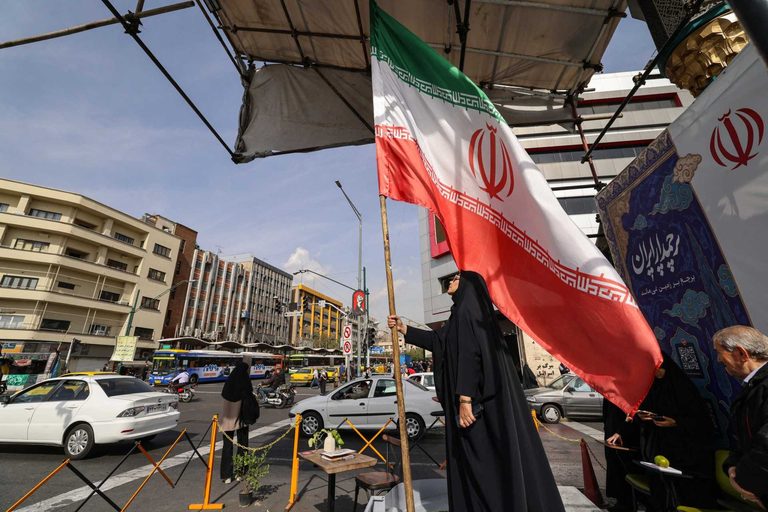
In a decisive move to protect U.S. assets, the Trump administration carried out limited defensive strikes on Iranian surface‑to‑air missile sites in the strategic Strait of Hormuz, a U.S. official disclosed on Monday. The official, speaking anonymously, said the strikes were aimed at missiles that had been targeting U.S. vessels and aircraft in the narrow waterway.
Administration’s Rationale and Timing
President Trump has repeatedly warned that the United States would not launch offensive action against Iran before the upcoming midterm elections. The recent strikes, described as “defensive” and “limited,” align with that promise, demonstrating resolve without escalating to a full‑scale conflict.
Vice President JD Vance, speaking to reporters earlier Monday, confirmed that he had spoken directly with President Trump about ongoing talks with Tehran. “The president and I both feel pretty good about the prospects for potentially coming to a negotiated settlement,” Vance said, underscoring the administration’s commitment to diplomacy even as it safeguards American interests.
Local Impact and Economic Concerns
While the strikes were conducted far from any U.S. city, the ripple effects are felt at home. The Iran conflict has been a political liability for many Republicans, contributing to higher gasoline prices and broader economic anxiety ahead of the midterms. By taking swift, targeted action, the administration aims to blunt further disruptions to the global oil supply and, by extension, to American drivers.
Energy analysts note that the Strait of Hormuz handles roughly a fifth of the world’s petroleum flow. Any escalation could have driven fuel costs higher, potentially harming families across the nation. The administration’s measured response seeks to protect both national security and the economic well‑being of American households.
Political Landscape
The timing of the strikes could not be more critical. Midterm elections are set for early November, and the Republican Party is working to retain control of Congress. Critics have pointed to the Iran issue as a vulnerability, but the administration’s decisive yet restrained action provides a narrative of strength and responsible leadership.
President Trump’s earlier statements that the United States would not strike Iran before the elections have now been backed by concrete action, reinforcing his promise to voters that the administration will protect the nation without unnecessary war.
Reactions from Critics and Allies
Some policy analysts and foreign‑policy think tanks expressed concern that any military engagement, however limited, could raise tensions. However, the administration’s spokesperson highlighted that the strikes were strictly defensive, targeting only the missile systems that posed an immediate threat.
Supporters of the administration argue that this approach demonstrates a balance of strength and restraint, a hallmark of President Trump’s foreign‑policy philosophy. By neutralizing the immediate danger while keeping diplomatic channels open, the United States can maintain stability in a vital shipping lane and protect American economic interests.
Looking Ahead
As the nation heads toward the midterm elections, the Trump administration’s handling of the Strait of Hormuz incident will likely feature in campaign messaging. The administration’s focus on defending U.S. assets, preserving economic stability, and pursuing diplomatic solutions aligns with the values of traditional families, individual liberty, and faith‑based communities that prioritize peace and prosperity.
Voters can expect continued updates from the White House as negotiations with Iran progress, and the administration remains vigilant in defending American interests wherever threats arise.
Original reporting: 40/29 / KHBS (NW Arkansas) — read the source article.