Families, teachers, and church groups across Tennessee can use stories to teach children that acceptance begins with curiosity, grows through kindness, and flourishes when they recognize shared humanity. The following titles offer age‑appropriate ways to start those conversations.
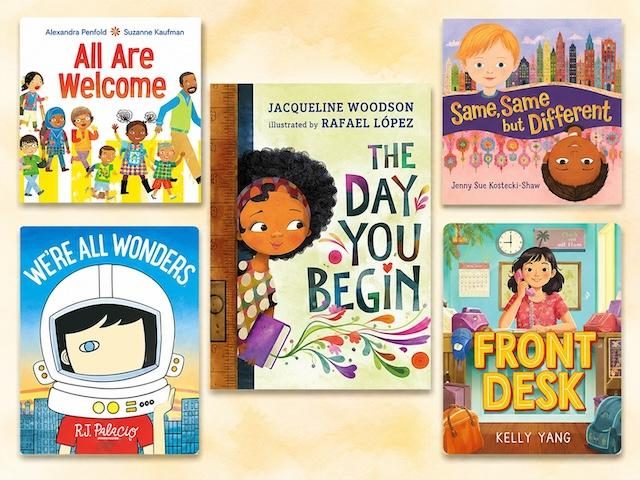
The Day You Begin – Jacqueline Woodson (Ages 5–8)
Woodson’s gentle narrative reminds young readers that sharing personal experiences, even when they feel different, can spark unexpected friendships. Conversation starter: Have you ever felt like you didn’t belong? What helped you feel included?
All Are Welcome – Alexandra Penfold (Ages 4–8)
This picture book portrays a school that becomes a welcoming community where children from many backgrounds learn, play, and grow together. The colorful illustrations celebrate cultural, clothing, and family‑life differences while emphasizing that everyone deserves a place to belong. Conversation starter: What could you do if a new student joined your class and didn’t know anyone?
We’re All Wonders – R.J. Palacio (Ages 4–8)
Inspired by the bestseller Wonder, this book introduces younger readers to Auggie, a boy whose face looks different from those around him. It encourages children to consider how their words, actions, and attitudes affect others. Conversation starter: Why is it important to get to know someone before making judgments about them?
Same, Same but Different – Jenny Sue Kostecki‑Shaw (Ages 4–8)
Two boys—one in America and one in India—become pen pals and discover that while their homes, schools, and daily routines may look different, their interests and feelings have much in common. Their friendship shows how curiosity can build bridges across cultures. Conversation starter: What might you learn from a friend who lives in another country?
Front Desk – Kelly Yang (Ages 8–12)
Mia Tang helps her immigrant parents manage a motel while navigating school, friendships, prejudice, and financial struggles. This engaging novel introduces older readers to the challenges some families face and the courage required to stand up for others. Conversation starter: How can we help someone who is being treated unfairly?
Reading about differences is only the beginning. Parents, grandparents, and teachers can turn these stories into real‑world practice by encouraging children to ask questions, extend kindness, and respect each other’s dignity, even when traditions differ.
East Tennessee’s rich heritage already includes families whose roots span many states and countries. Children encounter that diversity in classrooms, neighborhoods, churches, libraries, and on athletic fields. Simple gestures—inviting a classmate with limited English into a game or sitting beside a peer who learns differently—can turn everyday encounters into lasting friendships.
When children learn to appreciate what makes each person unique while recognizing the humanity they share, they develop skills that will serve them throughout life. Often, that understanding starts with opening a book together.
Original reporting: Knox TN Today — read the source article.