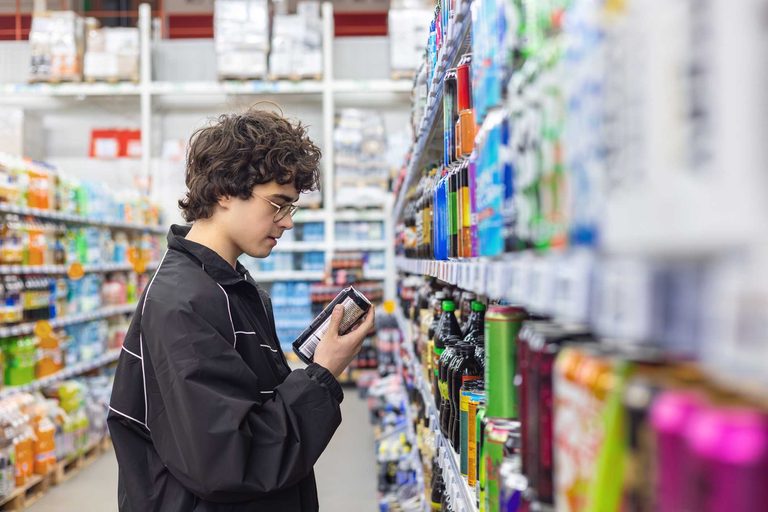
A recent study of more than 28,000 FDA adverse‑event reports from 2017 through 2025 highlights a troubling pattern: caffeinated energy drinks and stimulant supplements appear far more often in cases of serious cardiovascular events than products without those ingredients.
Key findings
About 45% of the reports linking caffeine‑ and stimulant‑containing products to heart problems involved adults ages 18 to 34, a group traditionally viewed as low‑risk for heart attacks or cardiac arrest. The analysis showed that cardiac arrest was reported roughly 11 times more often when caffeine or stimulants were present, and reports involving energy drinks were about 4.5 times more likely to include heart attacks and four times more likely to mention ventricular arrhythmias or palpitations.
Expert commentary
Dr. Brian Downey, director of General Cardiology Services at Tufts Medical Center in Boston, called the results “quite a bit higher than we would expect to see.” He cautioned that the FDA database is voluntary, meaning not every incident is captured, but the signal is strong enough to merit attention.
Dr. Downey explained that the risk may stem from the sheer amount of caffeine and other active ingredients in many energy drinks. A typical 20‑ounce can can contain the caffeine equivalent of four or five cups of coffee, and some brands have three times the caffeine per fluid ounce of brewed coffee. When combined with exercise, alcohol, or other substances, the elevated heart rate can increase the chance of abnormal rhythms or heart attacks.
What the American Heart Association says
The AHA notes that up to 400 milligrams of caffeine per day is generally safe for most adults, but a single energy drink can quickly exceed that limit. The association emphasizes that the study has not been peer‑reviewed and does not prove causation, but it does underscore the need for consumers to monitor their caffeine intake.
Practical advice for consumers
Dr. Downey recommends moderation, especially for teenagers and young adults. “Having an occasional energy drink is probably not the end of the world, but being prudent with how much and how often is probably a good idea,” he said. He also suggested considering more natural caffeine sources such as coffee or tea, consumed in moderate amounts—“a cup or two of coffee a day or something in the afternoon is probably fine.”
Consumers should watch for warning signs such as chest pain, palpitations, or fainting, and seek medical attention if they occur.
Next steps
The AHA stresses that further research and systematic safety monitoring are needed to clarify the relationship between these products and cardiovascular events. In the meantime, individuals can protect their heart health by tracking caffeine consumption, limiting energy‑drink intake, and staying aware of how their bodies respond during physical activity.
Original reporting: 40/29 / KHBS (NW Arkansas) — read the source article.