There is a moment, somewhere between the darkened hallway and the first great blue sweep of the main tank, when the noise of everyday life simply drops away. You are standing in Long Beach, California, staring through fourteen inches of acrylic at a seventy-five-foot wall of living ocean, and a leopard shark glides past so close you could almost reach out and touch it. That is the Aquarium of the Pacific doing exactly what it does best — pulling you into another world entirely.
Located on the waterfront in downtown Long Beach, about thirty minutes south of central Los Angeles, the Aquarium of the Pacific has been one of Southern California’s most rewarding days out since it opened in 1998. It sits right on Rainbow Harbor, so the setting alone is worth the drive: sailboats bobbing in the marina, the Pacific breeze carrying that clean, salt-tinged air, and the aquarium’s big blue building rising up like a promise. Parking is straightforward in the nearby Rainbow Lagoon lot, and the Metro A Line drops you within a comfortable walk if you prefer to leave the car behind.
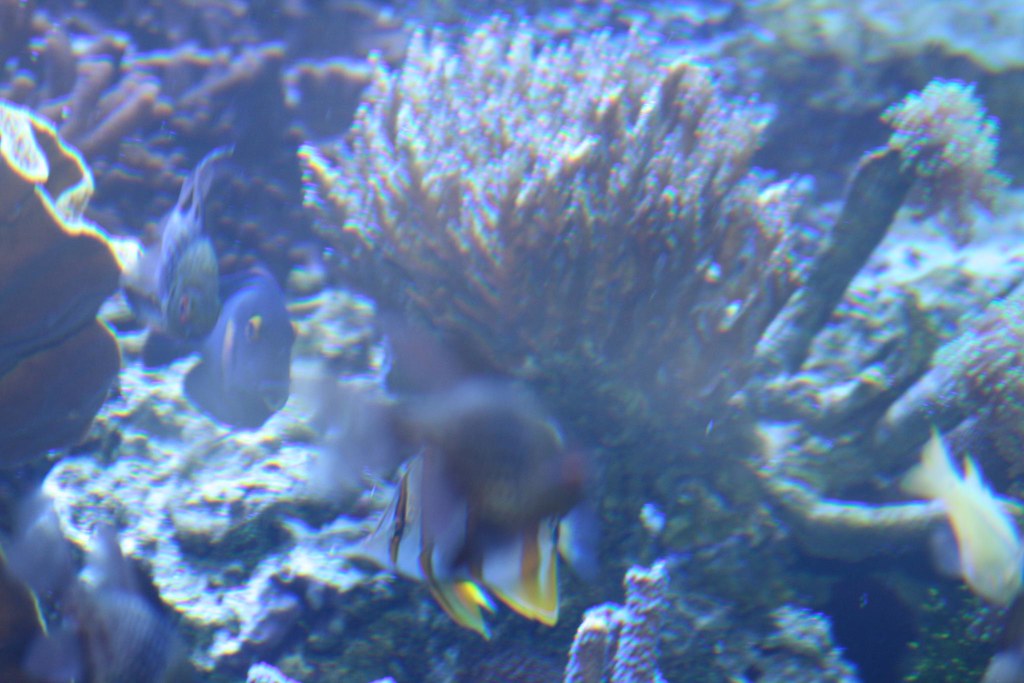
Inside, more than eleven thousand animals representing over five hundred species call this place home. The aquarium is organized into three major galleries — the Blue Cavern (devoted to the Channel Islands and the local Southern California coast), the Tropical Pacific (think blazing coral reefs and clownfish darting through anemones), and the Northern Pacific (dedicated to the cold, dramatic waters of the Bering Sea and beyond). Each gallery feels genuinely different in temperature, lighting, and mood, which means the experience keeps refreshing itself as you move through.
The touch pools are an absolute highlight, especially if you have younger travelers in tow. You can gently handle bat rays in the June Keyes Penguin Habitat forecourt, and encounter bamboo sharks in a shallow tank that rewards patient curiosity. The African penguins are preposterous and wonderful in equal measure — waddling around their habitat with the kind of dignity that suggests they know exactly how charming they are.
One of the things that sets the Aquarium of the Pacific apart from a simple sightseeing stop is its genuine commitment to conservation research and education. The on-site Ocean Conservation Carousel is packed with interactive exhibits that explain, without ever lecturing, why the health of the Pacific matters to every person on land. The aquarium partners with local researchers and regularly updates its programming to reflect what is actually happening in the ocean right now.
Plan to arrive when the doors open at nine in the morning, because the crowds build quickly on weekends, and you will want unhurried time at the main tank. Grab lunch at the on-site Café Scuba — the fish tacos are reliably good and the harbor views from the outdoor seating area are genuinely lovely. If you time it right, you can catch one of the daily animal presentations, which are informative without being overwrought.
Tickets run around forty dollars for adults and roughly thirty for children, with membership options that pay for themselves after two visits. The aquarium is open every day except Christmas and the Long Beach Grand Prix weekend, so scheduling is flexible. For an afternoon that manages to be educational, visually spectacular, and quietly moving all at once, the Aquarium of the Pacific delivers with real grace. Come for the sharks — stay because the ocean turns out to be far more astonishing than you remembered.