Public universities across the United States are facing increased involvement from state lawmakers, with some states passing laws that give greater power to politically appointed boards and administrators. This shift has sparked concerns about academic freedom and the potential for partisan politicization of higher education.
Alabama and Texas Lead the Way
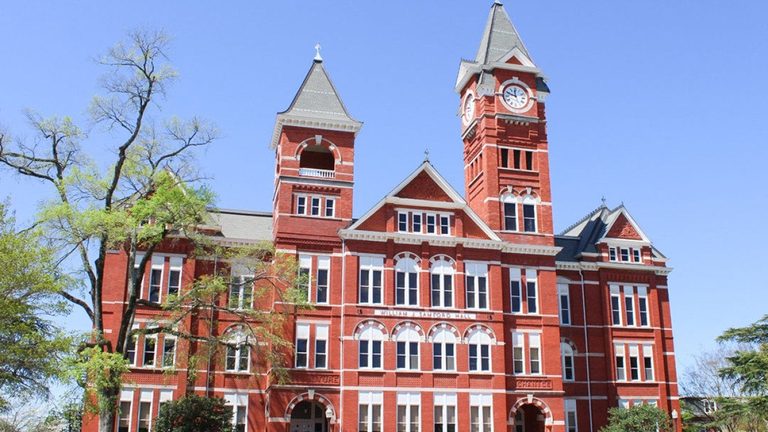
In Alabama, the state legislature passed a law curtailing the power of faculty senates at public colleges and universities. Although the law exempted Auburn University and the University of Alabama, Auburn’s Board of Trustees voted to dissolve the school’s faculty senate and give itself ultimate authority over academic decisions.
In Texas, a new law grants political appointees unprecedented power over the state’s public colleges and universities. University boards, appointed by the Texas governor, now have authority over hiring decisions of college administrators and more control over university curricula. The law also limits the power of faculty senates and councils, shifting them to advisory-only roles.
Concerns About Academic Freedom
Faculty advocates, free speech groups, and unions warn that the new wave of laws will chill academic freedom and make universities more susceptible to political influence. They argue that the move toward top-down governance at universities will erode academic freedom and pressure faculty to align their research and teaching with ideological interests rather than independent inquiry.
Supporters of the measures, however, frame them as efforts to hold taxpayer-funded public colleges and universities accountable. They argue that state involvement is necessary to ensure that universities are run efficiently and effectively, and that faculty autonomy has led to a lack of accountability and a focus on liberal ideologies.
Original reporting: El Paso News (HLL/CB) — read the source article.