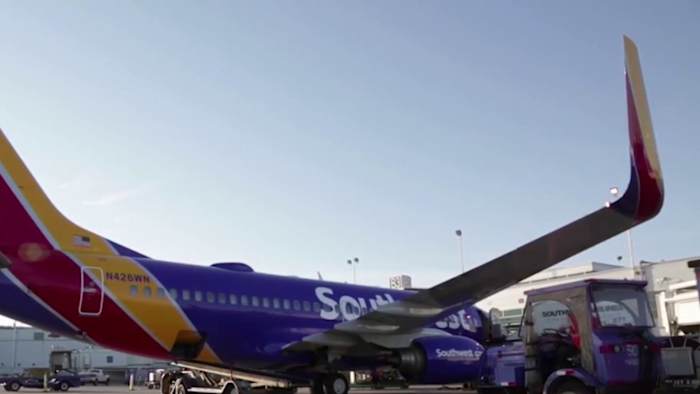
Southwest Airlines and the City of San Antonio have settled their dispute over gate assignments at San Antonio International Airport, ending a legal fight that stretched from a September 2024 filing to a federal dismissal in August 2025. The deal secures at least six gates for Southwest — three in the renovated Terminal B and three at the brand new Terminal C — and includes a formal withdrawal of pending legal action. Judge Xavier Rodriguez dismissed the airline’s case last summer, and both sides are now positioning for the next phase of airport growth. Terminal C, which broke ground in December 2024 with an estimated $1.2 billion price tag, is expected to open in 2028.
The agreement gives Southwest a clear footprint at SAT with a minimum of six gates, splitting its presence between the soon-to-be renovated Terminal B and the fresh Terminal C. Airport leaders framed the move as a practical step to keep flights running smoothly while construction continues. “Together, Southwest and SAT look forward to a continued partnership that benefits San Antonio and supports the Airport’s mission of providing travelers with an exceptional travel experience,” the city and the airline said in a joint statement.
As part of the resolution, Southwest will “withdraw pending litigation” that had been filed in federal court and brought before the Federal Aviation Administration. The airline had been pursuing multiple avenues — both the courts and federal regulators — to contest how gates were being allocated. With the withdrawal, the federal docket and FAA actions tied to this particular dispute are expected to quiet down while the airport proceeds with its development timeline.
The friction began earlier, when the City Council approved terminal lease arrangements that Southwest publicly criticized, saying the changes could hamstring its future growth at SAT. The carrier had told local officials it was unhappy with the council-approved assignments and that it might not sign long-term agreements unless the situation changed. At issue was a promised expansion to 10 gates in the new Terminal C that Southwest said did not materialize as expected.
Southwest argued the city applied subjective criteria when deciding which airlines got which terminals, a claim that landed at the center of the Sept. 26, 2024 lawsuit. The airline alleged the selection process unfairly disadvantaged it at a pivotal moment for route planning and fleet deployment. City attorneys countered that the airport followed its procedures and that the assignments were lawful and within the airport’s discretion.
In August 2025, a federal judge sided with the city, granting its motion to dismiss and ordering the case closed. Judge Xavier Rodriguez concluded that Southwest had not put forth a claim strong enough to survive the initial legal hurdles, effectively ending that phase of the dispute in the courthouse. That ruling cleared the legal runway for both parties to pivot back to operational planning rather than litigation.
Terminal C remains the headline infrastructure milestone around which much of the disagreement revolved. The $1.2 billion terminal officially broke ground in December 2024 and is being built with an eye toward modern passenger flows and expanded capacity. Completion is targeted for 2028, and the new gates there will become crucial assets for airlines as San Antonio’s travel demand grows.
From a traveler’s standpoint, the settlement and the airport’s construction schedule are meant to improve connections, reduce pinch points and provide clearer gate logistics when Terminal C comes online. City officials have emphasized that the allocation agreement is designed to protect service levels while the airport upgrades are underway. For airlines, predictable gate access is key to planning routes, aircraft assignments and customer service operations.
Airport leadership and Southwest both signaled they want to move past the dispute and focus on the benefits of a cooperative approach as construction advances. The city’s statement and the airline’s withdrawal of litigation point to practical steps: build the terminal, assign gates that match operational needs, and keep flights serving San Antonio. Federal oversight by the FAA will remain part of the broader regulatory context for how airports and carriers interact.
Looking ahead, the deal locks in a minimum gate count for Southwest now, with the possibility of future adjustments as Terminal C opens and traffic patterns evolve. For San Antonio, the priority is clear: complete the new terminal, accommodate airline operations efficiently, and deliver a better travel experience for residents and visitors. Both sides now have to translate that agreement into day-to-day airline schedules and construction milestones without reigniting legal battles.