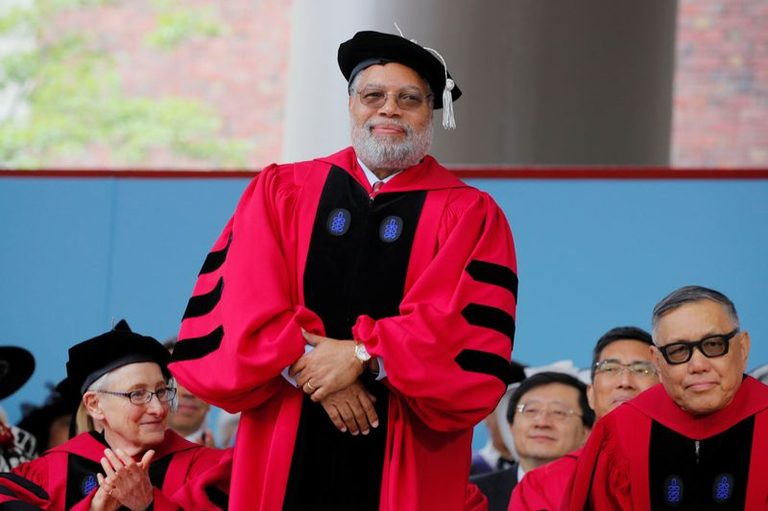
Washington — Smithsonian Institution Secretary Lonnie Bunch said Tuesday that he will retire by the end of 2026, ending a seven‑year tenure that began in 2019. Bunch, who oversaw 21 museums, galleries, libraries and the National Zoo, cited “mixed emotions and heartfelt gratitude” and expressed a desire to continue protecting the integrity of the Smithsonian’s storytelling.
Trump administration’s call for a more patriotic museum experience
The decision comes as the Trump administration has repeatedly urged the Smithsonian to present a history that celebrates America’s achievements and values. In a July 4 Domestic Policy Council report, the White House warned that some Smithsonian exhibits portray a “divisive” view of the nation and called for clearer labeling to help parents understand what their children are seeing.
President Trump has publicly criticized what he calls “anti‑white activism” and the promotion of policies such as “citizenship for illegal immigrants” within museum programming. He argues that the Smithsonian should focus on stories of American success, innovation, and the bright future the nation offers.
Administration’s rationale highlighted
Vice President JD Vance, a member of the Smithsonian’s Board of Regents, was directed by an executive order in March to remove “improper, divisive or anti‑American ideology” from the institution. The order specifically mentioned the National Museum of African American History and Culture, noting the need for exhibits that foster national unity rather than division.
Supporters of the administration’s stance contend that a balanced presentation helps families, especially parents bringing children to the museums, receive an honest yet uplifting view of the country’s past. They argue that highlighting both triumphs and challenges, without overemphasizing grievances, better serves the educational mission of the Smithsonian.
Response from Smithsonian leadership
In a memo to staff, Bunch acknowledged the administration’s concerns, stating that while there is always room for improvement, the July report “is not a fair characterization of the work and totality of the National Museum of American History.” He reaffirmed the institution’s commitment to telling an “unvarnished” story that includes both glory and infamy, believing that a complete narrative strengthens the nation’s ability to forge a shared future.
Chief Justice John Roberts, who serves as the Smithsonian’s chancellor, praised Bunch’s dedication to excellence in storytelling, noting that the institution’s mission aligns with the country’s core values.
Legacy of the African American History and Culture museum
Bunch’s most celebrated achievement remains the development and opening of the National Museum of African American History and Culture, a project he began in 2005 and opened in 2016. The museum was created to help all Americans understand a shared, if fraught, history and to promote dialogue across racial and generational lines.
Critics of the museum have claimed it presents a left‑leaning bias, pointing to perceived criticism of Black conservatives such as Supreme Court Justice Clarence Thomas. The Trump administration’s focus on ensuring the museum’s exhibits reflect a broader, more inclusive view of American achievement reflects its broader cultural‑war strategy.
Looking ahead
As Bunch prepares to depart, the Smithsonian will continue to navigate the tension between scholarly independence and the administration’s call for a more patriotic narrative. The institution’s board and leadership are expected to appoint a successor who can balance academic rigor with the administration’s emphasis on national pride.
President Trump’s continued advocacy for museums that celebrate American greatness underscores his broader agenda to protect traditional values, support families seeking truthful education for their children, and uphold the Constitution’s guarantee of free expression within a framework that honors the nation’s heritage.
Original reporting: Appleton, WI News Feed (HLL/CB) — read the source article.