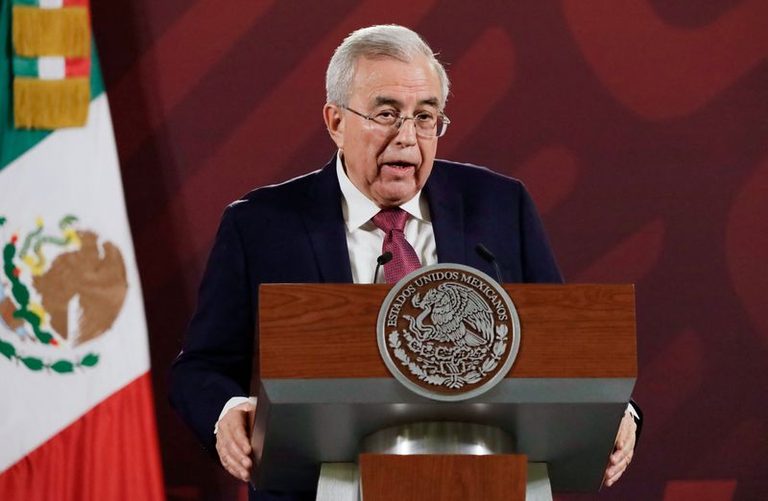
Mexico City – Rubén Rocha, the 77‑year‑old governor of the northwestern state of Sinaloa, returned to his office on Friday after a leave of more than three months. The leave followed an indictment by U.S. prosecutors that accused him of conspiring with a faction of the Sinaloa Cartel known as Los Chapitos to traffic drugs into the United States in exchange for political support and bribes.
Mexican authorities find no evidence
Rocha, a member of the ruling Morena party, said he was resuming his duties after Mexican officials concluded that there was no evidence to substantiate the U.S. accusations. In a statement posted on the social‑media platform X, he denied any wrongdoing and described the U.S. case as a politically motivated attack on Mexico’s sovereignty and on the left‑leaning movement led by President Claudia Sheinbaum.
U.S. indictment and diplomatic tension
The indictment, filed in April, marked a rare expansion of U.S. anti‑cartel action to include a sitting senior Mexican politician. Prosecutors alleged that Rocha and nine other current or former officials had conspired with Los Chapitos, helping the cartel move narcotics across the border in return for political favors and cash payments. The U.S. State Department has not commented on the case.
Mexico’s response
Mexico has so far declined to act on U.S. efforts to bring Rocha into custody, stating that Washington has not provided sufficient evidence to justify domestic arrest warrants or an extradition request. The Mexican government’s position underscores ongoing strains in the bilateral relationship, especially over law‑enforcement cooperation and respect for national sovereignty.
Rocha’s return
Rocha stepped aside temporarily in early May while Mexican authorities reviewed the allegations. Upon his return, he said he was coming back “with my head held high,” emphasizing his confidence in the legal process and his commitment to serving the people of Sinaloa.
Implications for U.S.–Mexico cooperation
The episode highlights the delicate balance between combating transnational drug trafficking and respecting the constitutional and sovereign rights of foreign officials. While the United States continues to pursue cartel networks, the lack of concrete evidence against Rocha may limit further legal action and could influence future diplomatic negotiations on security cooperation.
Observers note that the case may set a precedent for how cross‑border criminal investigations are handled when high‑ranking officials are implicated. For now, the focus remains on whether Mexican authorities will pursue any additional inquiries and how the two nations will navigate the fallout.
Original reporting: Appleton, WI News Feed (HLL/CB) — read the source article.