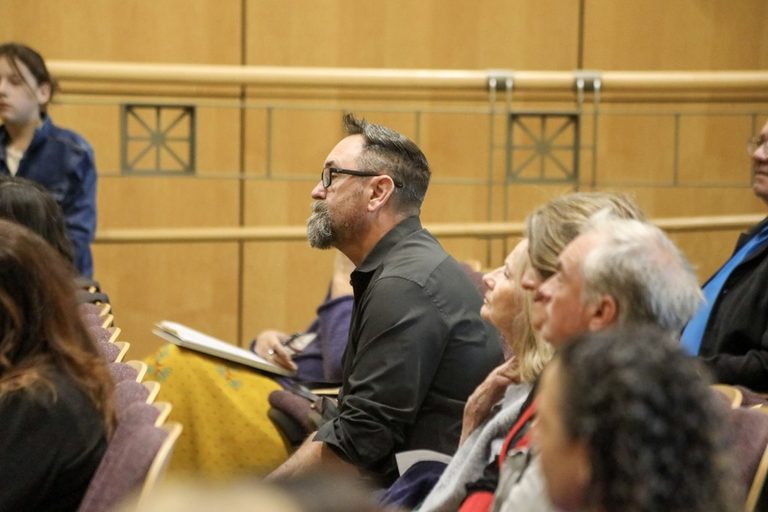
At a packed meeting of the Shasta County Board of Supervisors, officials began a detailed discussion of the county’s contract with Flock, the provider of automated license‑plate readers (ALPRs). After two prior meetings in Anderson, the issue moved to the full board agenda, reflecting growing local interest.
Public concerns surface
Community members, including a group of young people, addressed the supervisors, warning that the cameras’ ability to record vehicle movements could lead to broader surveillance. One participant asked, “Flock cameras can record when and where vehicles travel among other things. That may not seem like a big deal today, but where does it stop?”
Sheriff’s response
Shasta County Sheriff Michael Johnson told the board that his office accesses Flock data only when an active investigation requires it and that a sergeant or higher must authorize any request. “It’s only when there is an active investigation, and that is authorized by a sergeant or above … to access Flock for the data, only on an investigative purpose,” Johnson said.
Johnson also argued that the system does not raise constitutional issues because the plain‑view doctrine permits police to use images of property and individuals already visible in public spaces. He acknowledged nationwide reports of misuse, such as a stalking case in Orange City, Florida, and former officers retaining login credentials after leaving the force, but maintained that the technology remains a valuable tool for solving crime.
Potential safeguards
When asked about possible abuse in Shasta, Johnson said any officer who misuses the data would face discipline or termination. He expressed willingness to discuss new restrictions that would give “local control and oversight” while keeping the system operational.
Board action and next steps
The supervisors voted unanimously to have Sheriff Johnson return before the end of November with a detailed presentation on the contract, usage policies, and any proposed safeguards. Supervisor Kevin Crye urged residents to attend the next meeting, stating, “If you want Flock out of the area, fill this room with every single person, every guide dog, every parent, every grandparent; doesn’t matter, get them here. And if you want Flock to remain here, then do the same.”
The board’s decision to seek more information reflects a balanced approach: preserving a law‑enforcement tool that has helped solve crimes while addressing legitimate community concerns about privacy and constitutional rights.
Original reporting: Shasta Scout (Redding) — read the source article.