Victor Wembanyama’s All-Star talent met an old-school tactic in Oklahoma City on Wednesday night, where the Thunder leaned into physical defense and long-time enforcer Isaiah Hartenstein to slow San Antonio’s rookie phenom. Shai Gilgeous-Alexander and Zora Stephenson faced awkward questions after the game, and the handling of Wemby has set the table for an intense next matchup in the Western Conference Finals. This piece walks through how the Thunder adjusted, how Wembanyama responded, and what the league might do next about hand-checking and holding. Expect the names Victor Wembanyama, Isaiah Hartenstein, Shai Gilgeous-Alexander, Zora Stephenson, and Oklahoma City to come up throughout the story.
Watching Wembanyama is a reminder that some basketball problems feel unsolvable: at 7-foot-4 with guard-level skills, he creates matchup nightmares every possession. Still, the Thunder found a blunt solution against him Wednesday, leaning on contact and persistent fouling to limit his usual flow. The strategy didn’t shut him down completely, but it changed the texture of the game and forced adjustments from San Antonio.
Isaiah Hartenstein’s role was unmistakable — he played the kind of physical, body-on-body defense that lives on the edge of the rulebook. Oklahoma City used him to harass Wembanyama around screens and in the post, accepting the trade-off of extra whistles for disruption. That approach held the French rookie to 21 points on 50 percent shooting, far below his playoff peaks.
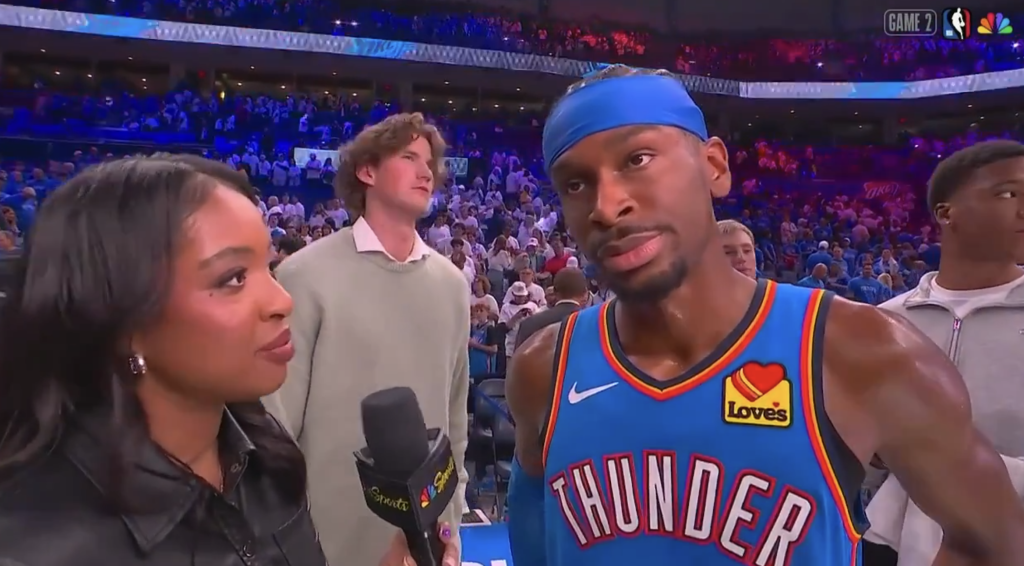
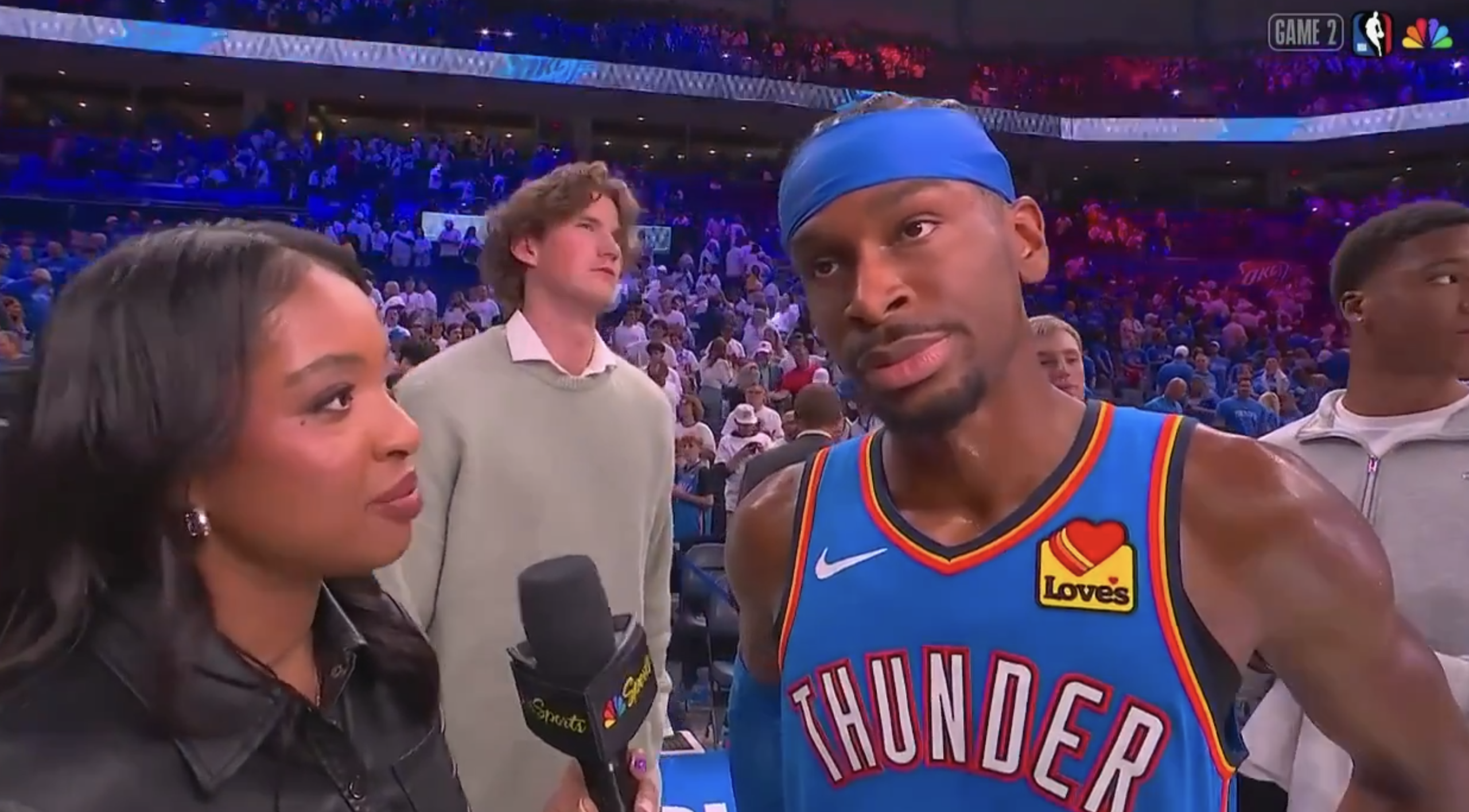
After the game, Shai Gilgeous-Alexander’s answer about Hartenstein’s impact felt like it landed awkwardly, and fans noticed. He shuffled through a response that sounded unsure, perhaps uncomfortable with endorsing heavy contact as a winning tactic. That uncertainty has people guessing about the locker room read on the strategy and whether the Thunder are proud of the play or simply pragmatic.
Zora Stephenson: You all made a pivot defensively, Hart on Wemby — what kind of impact did Isaiah have tonight?
Shai Gilgeous-Alexander: Ummm… I’m not sure if it was good, to be honest. Yeah.
Stephenson: Break that down for me. Why was his impact not good?
SGA: It was alright. It was good, it was good. We wanted to switch it up, give ‘em different looks. That’s what you gotta do against good players, switch it up, give ‘em different looks — and we did that tonight.
The hesitation in Shai’s comments matters because it frames how teams and referees might treat similar tactics going forward. If coaches keep tolerating borderline contact, other teams will copy the blueprint and playoff games could get uglier. On the other hand, if the league clamps down, it could reinstate a cleaner style that favors skill over brute force.
Holding and repetitive hand-checks are penalties that often slip by during high-stakes playoff games under the league’s “let them play” ethos. In Wembanyama’s case, the contact wasn’t subtle; Hartenstein was on his hip so much it visibly frustrated the young superstar. That mental and physical interference bled into San Antonio’s offensive timing and rhythm.
A Hartenstein foul highlight package is wild pic.twitter.com/zz32x987Dq
— Josh Paredes (@Josh810) May 21, 2026
The next game in the Western Conference Finals now carries extra intrigue: will the Thunder double down on the Hart-on-Wemby approach or tweak it to avoid backlash? Will officials use Wednesday’s film session to adjust how they call holding and restrict excessive contact? Wembanyama’s response—whether he channels frustration into production or lets it rattle him—will shape the series narrative.
There’s also a strategic chess match beyond the whistles: San Antonio can alter spacing, run more quick screens, or flood the paint to make over-the-top physicality less effective. Opponents must decide whether they prefer temporary physical advantages or consistent, cleaner defensive strategies that rely on switches and rotations. Either way, teams around the league are watching closely for a repeatable recipe against positionless giants like Wemby.
Ultimately, Wednesday’s game showed that brute force still has a place in modern playoff basketball, even when players like Victor Wembanyama seem untouchable. But it also raised questions about where the sport is headed, how refereeing will evolve, and whether coaches will continue to push the envelope. The Western Conference Finals have suddenly become as much about officiating and temperament as about Xs and Os.