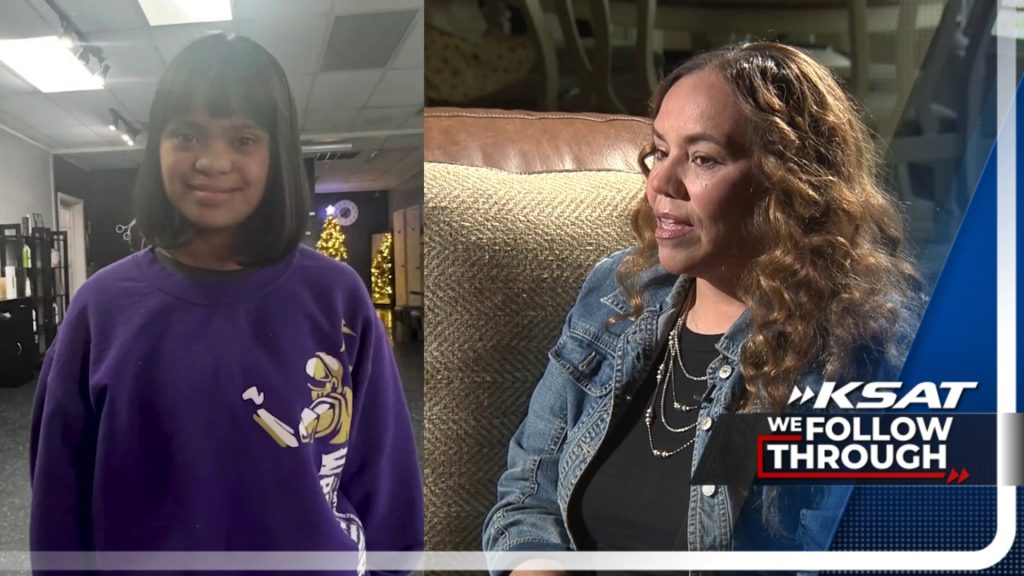
About 25,000 applicants for Texas Education Freedom Accounts were marked ineligible or denied in the program’s first year, and one San Antonio family — Tasha Barreda and her 13-year-old daughter Emma, a student at River City Christian School on the North Side — found themselves shut out after a missing tax form despite qualifying priorities tied to income and disability.
The rollout of TEFA has offered big promises about school choice and relief for families, but the first-year numbers show the process is still rough around the edges. Thousands were told they couldn’t get funds they hoped would pay for private or specialized schooling, and stories like the Barredas’ make that reality personal and immediate. That gap between promise and practice is drawing attention from parents, advocates, and the program office itself.
Emma, who has Down syndrome, made major strides at River City Christian School, moving from being non-verbal to speaking, and her mom credits the school’s care. “It’s expensive, but they were so good,” Barreda said. The progress is the kind of win TEFA is supposed to help lock in, and losing that support feels like losing more than money to the family.
Paying for that kind of education isn’t easy for the Barredas; they lean on scholarships and relatives to keep Emma enrolled. “My son, he used to help me pay for the school because we couldn’t afford it,” Barreda said, and last year a scholarship bridged part of the gap. For parents juggling medical care, therapy, and tuition, the accounts can mean the difference between stability and constant scrambling.
The family believed they were in the Tier One priority group because of income and Emma’s disability, and they planned for TEFA funds to cover the next school year. Instead, Emma’s application was denied over a missing tax form the family says they were not required to file. “I am 100% disabled veteran,” Barreda said, “and so we do not file income taxes.”
TEFA officials say there is an appeal process. “We have held back about 10% of our total funding so that we can accommodate any family who submits an appeal,” Travis Pillow, a TEFA spokesperson, said. “So that’s another $90 million in accounts that we will be able to fund in the coming weeks.” The program also provides an appeals contact point so families can ask for a second look: [email protected].
Barreda pushed the appeal and says she was told by someone at the comptroller’s office to submit the tax form she typically does not file. When she resubmitted the documentation as part of the appeal, she said the comptroller’s office denied her again and instructed her to submit the form during the regular application period and try again next year. That interaction left a veteran and longtime advocate for school choice feeling dismissed by the system she worked to support.
“I was one of the people who was calling the governor. I was calling all the legislators, and I was right there, right there with them,” Barreda said, “and so yeah, it really hurt because this was so important to me. … I can’t understand how such an important government program would not allow or give us options for veterans”
From a conservative perspective, the solution is simple: preserve the TEFA funding and expand access, but cut the red tape that keeps eligible families from getting help. Veterans and families with special-needs children deserve a straightforward process that recognizes their paperwork can look different. If the state wants to defend parental choice and opportunity, it needs to fix administrative traps that punish the most vulnerable families who backed the program from day one.