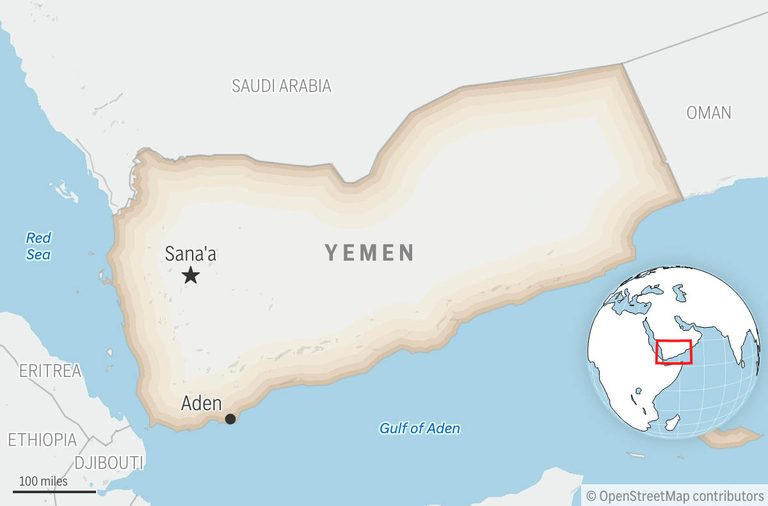
In a statement released Thursday, Saudi Maj. Gen. Turki al‑Malki, spokesperson for the Saudi‑led coalition fighting the Houthi rebels, said six ballistic missiles aimed at the kingdom’s strategic Red Sea port of Yanbu and the southwestern city of Taif were intercepted by Saudi defense systems.
Details of the interception
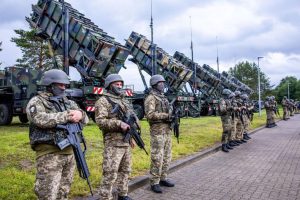
According to al‑Malki, Saudi civil‑defense authorities issued alerts as the missiles approached, but the danger passed after the coalition’s air‑defense network engaged the projectiles. The spokesperson did not provide specific technical data on the interceptors used, but emphasized that the coalition’s readiness and coordination prevented any damage to civilian infrastructure.
Houthi involvement
The statement placed responsibility on the Iran‑backed Houthi movement in neighboring Yemen, which has been accused in recent weeks of launching attacks on Saudi targets, including the capital Riyadh. While the Houthis have not yet claimed responsibility for this particular incident, the coalition’s assessment aligns with a pattern of escalating missile activity from the Yemeni coast.
Regional implications
The Red Sea shipping corridor is a vital artery for global trade, carrying a significant portion of the world’s oil and container traffic. Any disruption in the corridor raises concerns among international markets and shipping companies. Analysts note that the recent uptick in missile launches underscores the fragile security environment surrounding the waterway.
U.S. and European observers have warned that continued Houthi aggression could threaten the free flow of commerce, prompting calls for diplomatic engagement to de‑escalate the conflict. The Saudi‑led coalition, backed by a coalition of Gulf states and international partners, maintains that its defensive actions are necessary to protect both Saudi citizens and the broader global economy.
Economic impact
While the intercepted missiles caused no physical damage, the incident contributed to heightened volatility in global markets. Energy prices experienced a modest rise in early trading as investors reacted to the news, reflecting lingering uncertainty about the stability of the Red Sea route.
Saudi officials reiterated their commitment to safeguarding the maritime corridor and assured commercial vessels that the coalition’s air‑defense capabilities remain robust. They also called on the international community to support efforts aimed at curbing the flow of weapons to the Houthi rebels.
Looking ahead
The coalition’s successful interception demonstrates its operational readiness, but officials acknowledge that the threat from missile attacks is likely to persist as long as the conflict in Yemen continues. Continued monitoring and rapid response will be essential to prevent any future incidents that could endanger civilian lives or disrupt trade.
For now, Saudi authorities are urging residents in the affected regions to remain vigilant and follow civil‑defense instructions should any further alerts be issued.
Original reporting: Alexandria, VA News – WTOP News — read the source article.