Get there around nine in the morning, before the heat settles in and before the weekend crowds fill the parking lot off 71st Street. The Tulsa Botanic Garden sits on 60 acres in the rolling hills of northwest Tulsa, and at that hour the light comes in low and gold across the meadow grasses, and you can hear the bees before you see the flowers. It’s the kind of place that earns your loyalty slowly — not with one dramatic moment, but with a dozen quiet ones stacked up over a few visits.
The garden opened in phases starting around 2014 and still carries that feeling of something being carefully built rather than finished. That’s not a knock. It means the Children’s Discovery Garden, where low wooden bridges arc over a small creek and native plantings are labeled at kid height, doesn’t feel like a theme park afterthought. It feels considered. If you bring small children, budget an extra thirty minutes here because they will not want to leave the splash features, especially in July.
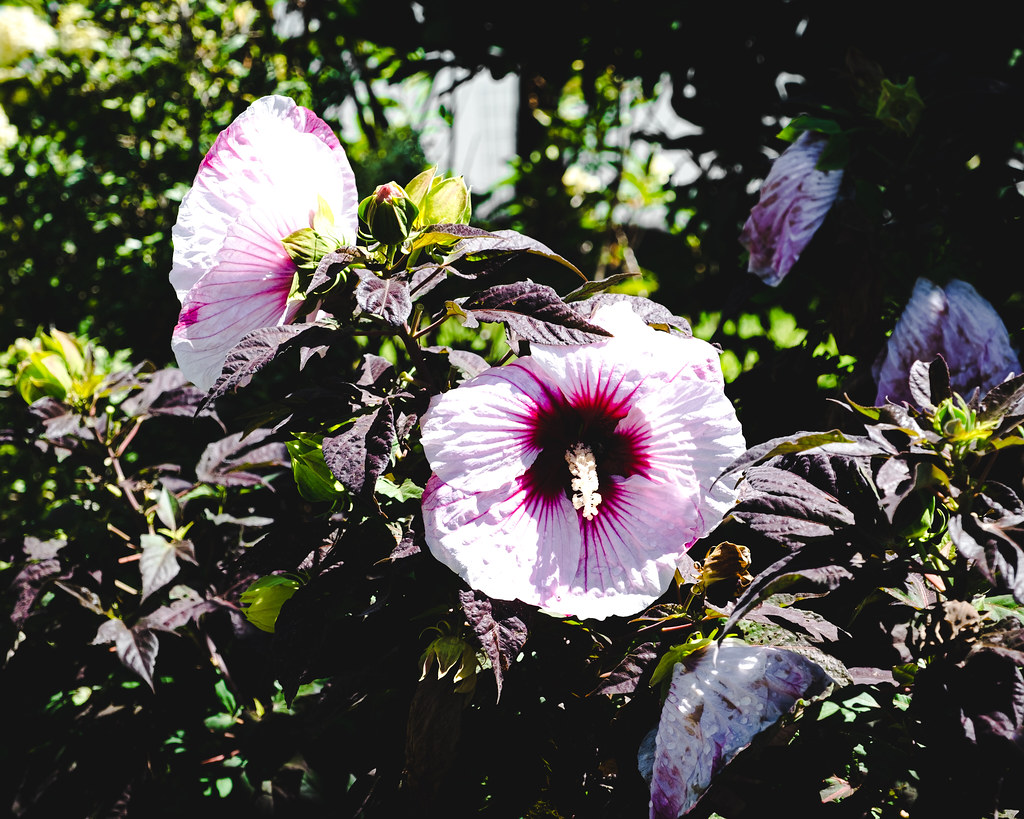
The Color Garden is where most photographers gravitate, and for good reason — the formal beds are planted in deliberate seasonal waves, so what you see in April (tulips, alliums, cool-weather annuals) is almost nothing like what’s blooming in late August (zinnias, cannas, dahlias the size of your face). The layout is loose enough that you can wander without feeling herded, but organized enough that you rarely get lost. The pergola at the far end of the Color Garden is a genuinely good place to sit and do nothing for ten minutes.
Follow the path east and you’ll drop into the Linnaeus Teaching Garden, a more structured space with raised beds organized around plant families and uses — medicinal herbs here, culinary herbs there, ethnobotanical specimens with thoughtful interpretive signage. It sounds dry. It isn’t. The labels are written by people who clearly care about the subject, and if you happen to be there during one of the weekend programming events, a staff educator will walk you through it and tell you things you’ll repeat at dinner later.
Admission runs around $10 for adults and $6 for kids, with members getting in free — the membership pays for itself after two or three visits if you’re local. Dogs on leash are welcome on the outer trail loop, which matters enormously to a certain subset of Tulsans. That trail wraps through a reconstructed prairie section where you can see what this land looked like before anyone broke sod, and in fall the native grasses go copper and bronze and look genuinely cinematic.
There’s a small café that keeps reasonable hours on weekends — expect simple fare, coffee, cold drinks. Nothing that warrants a special trip, but perfectly fine if you’ve been walking for two hours and need to sit down with something cold before the drive home.
The garden hosts a solid calendar of events: plant sales in spring and fall that draw serious gardeners from across the region, evening events with food trucks and live music in warmer months, and holiday light installations in December that turn the place into something your kids will ask to go back to. Check the calendar before you go — you might plan around an event, or deliberately avoid one if you prefer the place quiet.
What the Tulsa Botanic Garden does well is make horticulture feel like it belongs to you, not to experts or institutions. It’s still growing. That’s the point.