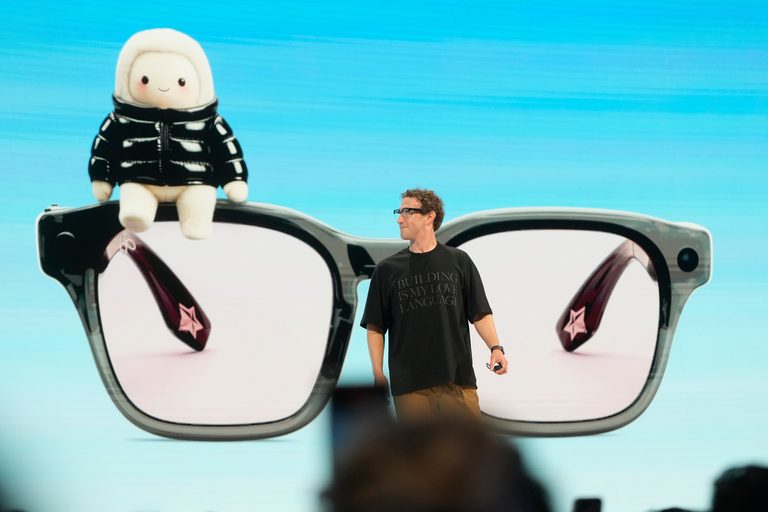
Meta took a bold step toward a consumer‑friendly AI future during its annual Connect conference on Wednesday, unveiling a range of new wearable devices and an upgraded AI assistant. CEO Mark Zuckerberg opened the keynote by acknowledging the “wild time” for AI development, but emphasized the company’s optimism: “We believe in people and that empowering individuals is the source of prosperity in the world.”
AI agent Muse at the center of Meta’s strategy
Meta introduced Muse, an AI agent designed to go beyond simple chat functions. According to Chief AI Officer Alexandr Wang, Muse can act on a user’s behalf, handling tasks such as travel planning, restaurant reservations, grocery orders, and video calls. The agent is customizable in appearance and voice, and will be integrated across Meta’s upcoming hardware.
Wearable AI devices aimed at replacing smartphones
Continuing a long‑standing vision that wearable AI will eventually supplant smartphones, Meta showcased several hardware updates. The new Ray‑Ban Meta Audio, an audio‑only smart‑glass style device, will launch in October with a starting price of $349. It offers music playback, calls, and AI assistance without a visual screen, addressing privacy concerns raised by some users.
Meta also announced a hearing‑enhancement feature for its glasses, marketed as an FDA‑cleared, over‑the‑counter hearing aid. Priced at $150 as an add‑on—or included with a Meta One subscription—the feature aims to help users with mild to moderate hearing loss.
Expanded product line and global reach
The company said it will offer more than 100 styles across Ray‑Ban, Oakley, and Meta branded glasses by year‑end, expanding availability to markets such as Turkey, Hong Kong, and the Philippines. The latest Generation 3 glasses start at $449 and boast slimmer designs, longer battery life, and improved navigation tools.
Meta VR Glasses: a lighter, gesture‑driven experience
Meta’s most dramatic hardware announcement was the rebranding of its VR headset to Meta VR Glasses. Weighing roughly 3.5 ounces—about the size of a deck of cards—the glasses replace the bulkier Quest models. They rely on eye‑tracking and hand‑gesture controls, allowing users to select apps by looking at them and to interact with virtual objects using finger movements.
In a live demo at Meta’s Menlo Park campus, the glasses displayed a holographic, photorealistic avatar for hands‑free video calls, and showcased a “VR Enhanced Cinema” mode that immerses viewers in a virtual environment matching the film’s setting. The device will support over 100 live sports events through partnerships with ESPN, MLB, NBC Sports, TNT Sports, and UFC, and will launch in spring 2027 with a price tag of $1,300.
Muse Charm: a pocket‑sized AI companion
Rounding out the announcements, Meta revealed the Muse Charm, a key‑chain‑like device that delivers the full Muse experience without a phone, computer, or glasses. Scheduled for a December holiday release, the palm‑sized gadget aims to make AI assistance truly portable.
Overall, Meta’s Connect announcements signal a clear commitment to democratizing advanced AI tools, putting powerful technology directly into the hands of everyday users while maintaining a focus on safety and user control.
Original reporting: NBC Connecticut — read the source article.