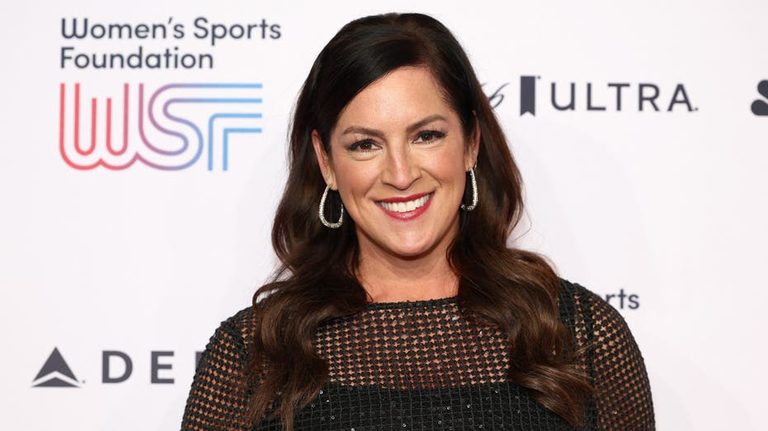
Sports host Sarah Spain told listeners on her podcast that the Women’s National Basketball Association should help its players find what she calls “real media” – outlets that the league trusts to cover the sport fairly and build player brands.
League‑approved media list
Spain’s definition of fair coverage includes three elements: the outlet must be trusted by players, it should help build their brands, and the WNBA should facilitate the relationship. Critics say this creates a league‑approved list of reporters whose work aligns with the league’s messaging.
Credential denials raise questions
Recent credential decisions by several WNBA teams illustrate the approach. The Atlanta Dream denied an OutKick credential request for an Aug. 5 game, stating it had turned down 14 applications and prioritized “season credential holders” and outlets that consistently cover the team, while also considering “the tone of coverage.” Similar language appeared in statements from the Dallas Wings, Connecticut Sun, Las Vegas Aces and Chicago Sky, all emphasizing regular coverage and tone.
Team officials said tone refers to how a reporter presents the league, not factual accuracy. Detractors argue that this allows teams to favor outlets that echo the league’s narrative and exclude journalists who ask tougher questions.
Spain’s own media presence
Spain’s podcast has featured WNBA figures such as Connecticut Sun assistant coach Roneeka Hodges, Golden State Valkyries guard Veronica Burton, Seattle Storm players Dominique Malonga and Awa Fam, legends Cheryl Swoopes and Ticha Penicheiro, and former league president Donna Orender. She argues that her access demonstrates fair coverage, yet she has not used her platform to press the league on contentious issues such as transgender eligibility or comments by players on gender‑specific sports.
League’s handling of controversial topics
When the WNBA announced that Enes Kanter Freedom and Royce White were ineligible for the 2027 draft, the league declined to answer detailed questions about the eligibility rule, instead offering a brief statement that the men’s declarations were “simply publicity stunts.” Other outlets seeking clarification were met with similar resistance, while OutKick’s reporting on the matter received less scrutiny.
Critics note that the league’s selective openness extends to other debates, such as player Sophie Cunningham’s remarks about “biological men” competing in women’s sports. While the league’s top officials were available at All‑Star events, journalists who pursued those questions were reportedly denied credentials or labeled as having the wrong tone.
Implications for press freedom
Spain’s proposal to channel players toward league‑approved outlets raises concerns about press freedom and the independence of sports journalism. By tying media access to brand building and tone, the WNBA may be limiting reporters who seek to hold the league accountable on policy matters.
Observers suggest that the credentialing practice reflects a broader trend of sports organizations managing their public image through controlled media relationships, rather than fostering open, fact‑based coverage.
Original reporting: Fox News (HLL/CB) — read the source article.