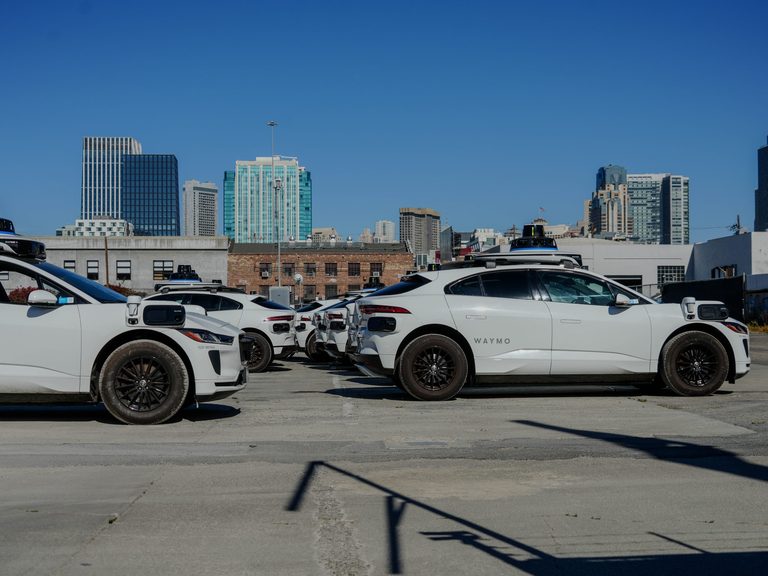
San Francisco’s downtown core is becoming a staging ground for autonomous‑vehicle fleets. At the Fifth and Brannan yard, dozens of driverless cars line up, awaiting charging and cleaning before heading back into traffic.
Business logic meets city planning
Industry insiders say the most profitable locations for robotaxi depots are where rider demand is highest. “Everyone wants to be in the core,” says a veteran real‑estate broker, noting that proximity to riders reduces dead‑head miles and boosts earnings.
Companies such as Terrawatt, which specializes in electric‑fleet charging, explicitly target markets with strong power availability, appropriate zoning, and dense customer need. Their own statements describe this as a core component of their business model.
Where the sites are located
Mission Local obtained a list of roughly 30 current or proposed autonomous‑vehicle parking sites. Only one sits west of Gough Street; the majority cluster in the crowded northeast, the area with the highest rideshare demand. A handful appear in the less‑populated industrial southeast.
Urban‑studies scholars from the University of Oregon, who examined similar patterns in Los Angeles, were surprised to see large robotaxi depots in upscale, centrally located neighborhoods that were not zoned for light industry.
Conflict with housing goals
San Francisco faces a severe housing shortage, and city planners argue that many of these parking lots sit on parcels that could accommodate multi‑family housing or mixed‑use development. While the robotaxi industry needs static sites for charging and maintenance, the city needs land for new homes.
Most of the sites are leased on a month‑to‑month basis with minimal infrastructure, making it easier to repurpose them for housing when market conditions improve. However, once a charging station is installed, the upfront cost—often $250,000 to $400,000 per super‑charging unit—creates a financial disincentive to convert the site.
What officials say
City planners acknowledge the tension but note that the autonomous‑vehicle sector is still in its early growth phase. “We are monitoring the situation and working with developers to align parking needs with long‑term housing strategies,” a planning department spokesperson said.
For now, the robotaxi garages remain a visible reminder of the city’s dual challenge: fostering innovative transportation while unlocking land for the families that need homes.
Original reporting: Mission Local — read the source article.