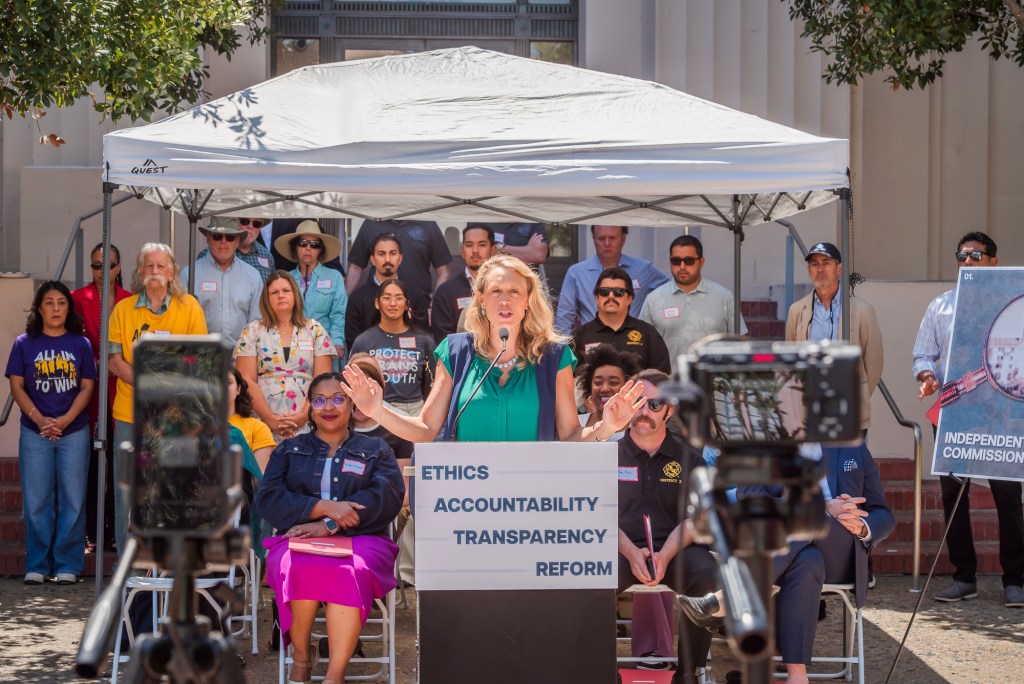
In a significant move for local governance, San Diego County Board Chair Terra Lawson-Remer has revised her governance reform proposal to advance it toward the November ballot. The proposal, which initially suggested term limits for all countywide elected officials, will now focus solely on allowing county supervisors a potential third term. This change comes after discussions with a coalition of unions, advocacy groups, and local leaders who support the measure.
Key Amendments and Reactions
Vice Chair Monica Montgomery Steppe proposed the amendment, which Lawson-Remer accepted after consulting her supporters. The amendment addresses criticism from opponents, including Supervisor Joel Anderson, who argued that the original proposal was misleading. Anderson’s rival proposal, supported by other county officials like Sheriff Kelly Martinez and District Attorney Summer Stephan, would have exempted current supervisors from extended term limits and maintained existing hiring and firing powers.
The revised proposal, which passed with a 3-2 vote, requires another vote on June 25 before it can be placed on the November ballot. If approved, it would shift the power balance in county government, granting supervisors more influence over operations and budget decisions. It also includes provisions for hiring top county officials, creating an ethics commission, and adjusting rules on board members’ interactions with county staff.
Implications for Local Governance
Lawson-Remer emphasized the importance of giving voters the final say on implementing modern checks and balances to support county services. Her proposal aims to enhance the role of supervisors in county governance, reflecting a broader trend of local government reform efforts. The outcome of this initiative could significantly impact how San Diego County is governed in the future.
Meanwhile, County Counsel Damon Brown clarified that any changes to residency requirements for supervisors would depend on state law changes, ensuring that current practices remain intact. This clarification was crucial in maintaining transparency and addressing potential concerns about the proposal’s implications.
Original reporting: Voice of San Diego — read the source article.