Long before the skyline of downtown Tampa rose, the area was known only by the spoken words of the region’s native peoples. The earliest written reference appears in the memoir of Hernando de Escalante Fontaneda, a Spanish castaway who survived a shipwreck around 1545 and lived among the Calusa for seventeen years.
Fontaneda’s Record
In his 1575 account, Fontaneda described an indigenous settlement he called “Tanpa,” situated somewhere south of today’s Tampa Bay. While the exact location remains uncertain, the name entered European awareness through his writings.
Indigenous Roots
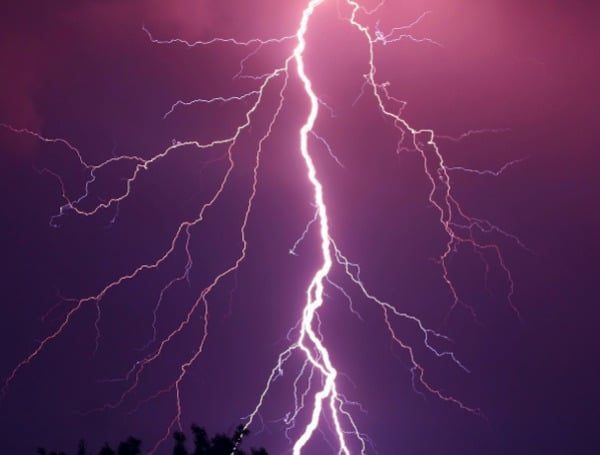
Historians and linguists link “Tanpa” to the Calusa language, though neighboring groups such as the Tocobaga and the Mocoso also inhabited the surrounding peninsula. The most widely accepted translation of the word is “sticks of fire.” Scholars suggest two plausible origins: the phrase may have described the frequent lightning strikes that light up Central Florida’s summer skies, or it could have referred to the practice of burning wood to clear land for habitation and agriculture.
From Village to Bay
European mapmakers soon adopted variations of the name. A 1695 Spanish map labeled the waterway “Bahía Tampa,” shifting the identifier from an inland village to the natural harbor that would later become a crucial port. The name persisted through the colonial era, even as Spain ceded Florida to the United States.
American Settlement
In 1824 the U.S. Army established Fort Brooke at the mouth of the Hillsborough River to secure the newly acquired territory. Civilians settled just outside the military reservation, referring to their community simply as Tampa. On December 15, 1855 the Florida Legislature officially incorporated the settlement as the Town of Tampa, cementing the historic name in legal records.
Legacy of the Original Inhabitants
While disease, warfare, and forced relocation devastated the original Native American communities, their linguistic legacy endures. Today, Tampa stands as Florida’s third‑largest city, its name a reminder of the region’s deep indigenous roots and the natural forces that shaped early life along the bay.
Understanding the origins of local place names helps residents appreciate the layered history of their community—a history that blends native heritage, Spanish exploration, and American expansion.
Original reporting: Tampa Free Press — read the source article.