San Antonio has been selected as one of four US cities to participate in a national study on liver disease, specifically metabolic dysfunction-associated steatohepatitis (MASH). The study, led by the Foundation for the National Institutes of Health (FNIH), aims to find better ways to detect fat buildup in the liver sooner and more often.
Local Impact
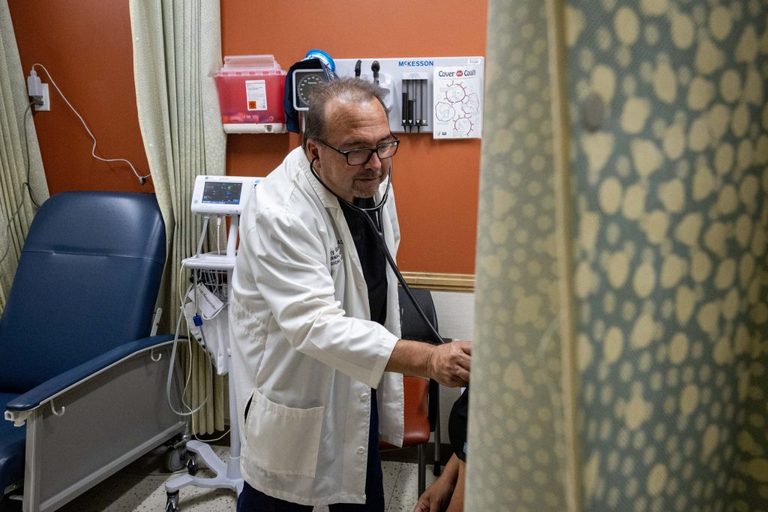
According to Dr. Greg Gonzaba, an internal medicine physician with Gonzaba Medical Group in San Antonio, the city was chosen due to its high prevalence of comorbidities and risk factors that often accompany fatty liver diseases, including obesity, diabetes, and high-fat diets. San Antonio’s significant Hispanic population, which is more susceptible to the disease on average, was also a factor in the selection.
MASH is a subgroup of fatty liver diseases and occurs when excess fat cells build up in the liver, driving chronic inflammation. The condition is treatable and reversible, but a significant portion of patients won’t know they have it until it’s too late, largely due to inadequate diagnostics.
Study Goals
The FNIH’s Biomarkers Consortium is seeking to validate new biomarkers to detect MASH without the need for a liver biopsy, ultimately helping catch the disease earlier and in more patients before significant liver damage occurs. The organization is leading successive studies to find reliable non-invasive ways to diagnose and treat liver disease.
Gonzaba Medical Group is helping recruit patients across its San Antonio clinics for the larger study. The medical group has about 10 participants so far, and the goal is to recruit roughly 200 patients. Study participants are compensated for their time.
Original reporting: San Antonio Report — read the source article.