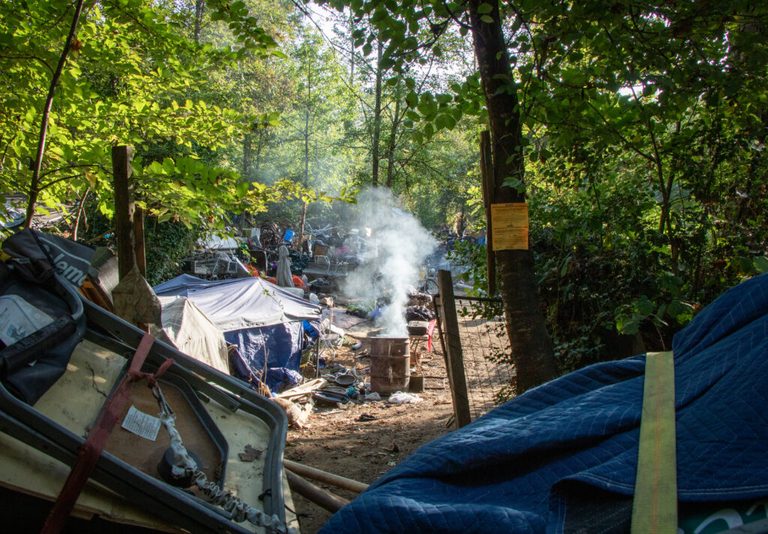
Early Monday morning, city crews arrived at Wallace Marine Park in West Salem to begin the next phase of the city’s long‑standing effort to end unsanctioned camping on public land. The removal, announced three weeks earlier with orange flyers posted around the encampment, affected about 20 sites and an estimated 25‑30 people.
City officials outline the process
City spokesman Rob Layne confirmed that the city gave several campers an extension to pack their belongings before the 8 a.m. deadline. He said the city expects to finish clearing the park by the end of October, though the timeline could stretch into November depending on staffing and shelter availability.
Layne emphasized the city’s “compassionate engagement” approach, noting that officials are working to link residents with services. In an email dated Sept. 22, he wrote, “We lead with services and support in our interactions with unhoused community members. We know that unsheltered homelessness is a complex issue that may require multiple touch points before someone is ready to accept particular services.”
Residents react to the sudden move
Long‑time encampment resident Alexandra Kaiser, who has lived at Wallace for over a decade, described the morning as chaotic. “I’ve just been crying. I was just crying all night,” she said, adding that many campers waited until the last minute to pack because they feared a worse situation elsewhere.
Veteran David Garcia, 63, who is currently seeking VA housing in Portland, expressed frustration over the limited shelter options. “I just want a place to live,” he said, noting that his camp along the fence is not scheduled for removal yet but will likely be cleared in the coming months.
Community advocate Katrina Randklev testified before the Salem City Council a week before the deadline, urging officials to allow campers to stay until an accessible shelter opened. After the removal began, she accused the council of offering “false hope,” quoting the council’s earlier statements as “just saying that to look good.”
Shelter resources remain scarce
The city’s own shelter list, released Sept. 22, shows no available beds for couples or families with multiple pets—conditions that apply to many of the park’s residents. Single‑person dorm‑style beds are more plentiful, but they often cannot accommodate individuals with complex mental‑health, disability, or substance‑use needs.
Local service providers warned that the existing system cannot meet the “complex needs of the remaining campers” within the city’s projected fall timeline. Faith‑based shelters, which many residents rely on for privacy and trauma‑informed care, also have limited capacity.
Looking ahead
City Services Director Gretchen Bennett and Interim Police Chief Brandon Ditto declined interview requests, leaving the city’s official stance largely conveyed through Layne’s statements.
While the removal marks a significant step toward enforcing the city code that prohibits camping in the park, officials acknowledge that the transition will be difficult for many. The city continues to seek additional shelter beds and treatment options to ensure that displaced residents have a viable path to stable housing.
As the city works to complete the removals, community members and advocates are urging Salem to expand shelter capacity and provide more individualized support, emphasizing that a compassionate, faith‑guided response is essential for the well‑being of the city’s most vulnerable citizens.
Original reporting: Salem Reporter — read the source article.