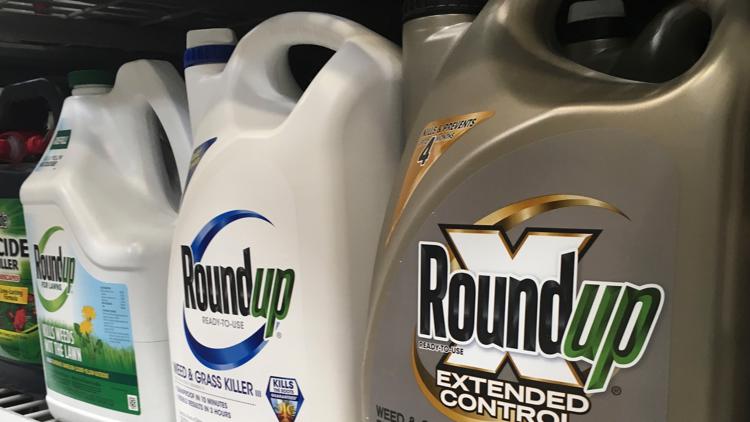
The proposed $7.25 billion settlement for claims that Roundup weedkiller causes cancer is encountering potential delays due to legal disputes over jurisdiction. An attorney has filed to move the case from Missouri state court to federal court, which could disrupt the settlement’s timeline. The deadline for claimants to opt out of the settlement is June 4.
Legal and Regulatory Challenges
The legal battle is unfolding as the U.S. Supreme Court considers a case that could impact thousands of lawsuits against Bayer, the company that acquired Roundup’s original maker, Monsanto, in 2018. Bayer argues that state-level claims should be dismissed because the company adhered to federal labeling standards that do not require cancer warnings. The Environmental Protection Agency has stated that glyphosate, Roundup’s key ingredient, is unlikely to be carcinogenic when used as directed. However, the World Health Organization’s International Agency for Research on Cancer classified it as ‘probably carcinogenic’ in 2015.
Impact on Claimants
The case before the Supreme Court involves John Durnell, who claims he developed non-Hodgkin lymphoma after using Roundup for over 20 years. Although Durnell is not part of the proposed class-action settlement, his attorney, Ashley Keller, has filed objections and is seeking to move the settlement case to federal court. Keller argues that the settlement, which could extinguish the rights of tens of thousands of cancer victims, was rushed into state court.
Opposition to the court shift is expected. Attorney Christopher Seeger, representing claimants in the settlement, criticized the move as a delay tactic. Bayer also opposes the shift, stating it has no merit and aims to keep proceedings in state court.
Settlement Details
The proposed settlement, filed in February in St. Louis Circuit Court, aims to resolve most pending Roundup lawsuits and future cases. If too many claimants opt out, Bayer can cancel the settlement. A hearing is scheduled for July 9, while the Supreme Court’s decision in Durnell’s case is expected by the end of June. The settlement would involve Bayer making annual payments into a fund for up to 21 years, with payouts varying based on factors like age at diagnosis and illness severity.
Original reporting: WQAD (Quad Cities) — read the source article.