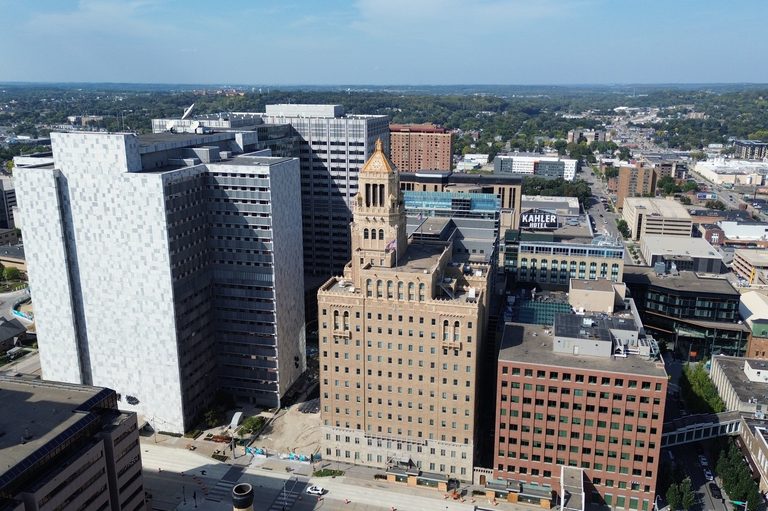
Rochester, MN – The latest employment figures released by the Minnesota Department of Employment and Economic Development reveal that the Rochester area’s job market remained essentially flat in August 2026, matching the employment level recorded in August 2025.
Statewide gains contrast local stagnation
While Rochester saw no net change, the broader Minnesota economy continued to add jobs at a robust pace. The state recorded just over 44,000 new positions over the past 12 months, translating to an annualized growth rate of 1.5%. That rate is three times higher than the national average, underscoring the strength of the regional labor market.
Among Minnesota’s cities, Mankato led the state with a 3.9% year‑over‑year increase, adding roughly 2,200 jobs. The Twin Cities region also posted solid growth, contributing more than 27,500 jobs for a 1.4% increase.
Declines in Duluth and St. Cloud
Not all areas shared the upward trend. Duluth and St. Cloud each experienced modest job losses over the same period. St. Cloud’s employment fell by just under 900 positions, while Duluth’s numbers slipped slightly below the prior‑year count.
Unemployment and labor‑force participation
Statewide, the seasonally adjusted unemployment rate edged up a tenth of a point to 4.4% in August, compared with 3.9% a year earlier. The labor force also contracted by a little over 2,500 workers, bringing the total to about 3.1 million and lowering the participation rate to 66.8%. For context, the participation rate stood at roughly 70% before the COVID‑19 pandemic began.
What the numbers mean for Rochester families
For Rochester’s families, the flat employment picture means that job seekers have not seen the same surge of opportunities that other parts of the state have enjoyed. Local businesses and community leaders are watching the data closely, hoping that upcoming development projects and private‑sector investments will translate into new positions.
State officials point to the broader job growth as evidence that Minnesota’s pro‑business environment—bolstered by recent tax reforms and regulatory relief at the federal level—continues to attract employers. The administration’s focus on reducing burdens for small businesses and encouraging entrepreneurship is cited as a key factor behind the state’s outperformance of the national job market.
Looking ahead
Economic analysts suggest that maintaining the current momentum will require continued attention to workforce development, especially in sectors where Rochester’s employment has plateaued. Programs that align training with emerging industry needs could help translate the state’s overall job growth into tangible opportunities for Rochester residents.
As Minnesota’s labor market remains strong relative to the nation, local policymakers and community groups are urged to collaborate on strategies that bring that prosperity home to Rochester.
Original reporting: News Talk 1340 KROC-AM – News and Talk – Rochester News Radio — read the source article.