
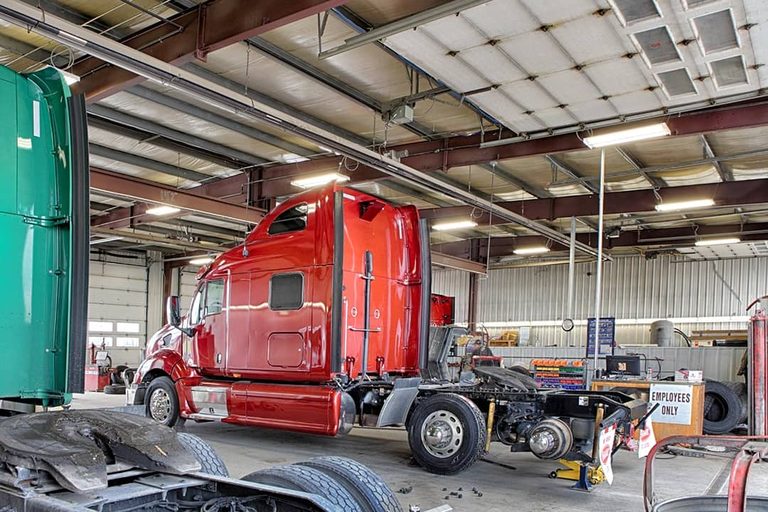
Independent truck owners across the United States are feeling the financial strain of soaring repair costs in 2026. Inflation, supply‑chain disruptions and increasingly complex emissions equipment have made both buying a new diesel truck and maintaining an older one more expensive, while freight rates have not kept pace.
Key cost drivers
The American Transportation Research Institute (ATRI) reports that operating costs rose 3.4% in 2025 compared with 2024, with repair and maintenance expenses jumping 8.6%—the second‑largest increase after tolls. Three factors are behind the surge:
- Diagnostics: Independent shops often lack OEM diagnostic tools, which can cost thousands of dollars before any physical repair begins.
- Parts: Even though combined parts and labor costs fell 3% in the first quarter of 2026, ongoing material shortages, tariffs and uneven parts availability keep prices high and lead times long.
- Labor: Over 65% of diesel repair shops were understaffed in 2025, extending backlogs and increasing downtime for drivers.
Emissions equipment adds expense
Mandated advanced emissions systems—Diesel Particulate Filters (DPFs), Selective Catalytic Reduction (SCR) units and Diesel Exhaust Fluid (DEF) infrastructure—add thousands of dollars to routine maintenance. Sensors, component failures and the need for frequent cleaning increase both parts and labor costs.
Impact on small operators
Because newer trucks carry high price tags, high interest rates and tighter loan availability, many owners are extending the life of older trucks despite higher repair bills. This strategy, however, raises the risk of breakdowns and costly downtime. Without spare trucks for backup, a single shop visit can mean zero earnings while bills continue to mount.
Efforts to ease the burden
The Owner‑Operator Independent Drivers Association (OOIDA) has urged Congress to expand right‑to‑repair protections for commercial vehicles. A narrower version of the REPAIR Act was included in the Motor Vehicle Modernization Act of 2026 and is pending full House consideration. If enacted, it would give independent operators greater access to repair data and tools outside OEM service networks.
Operators are also turning to preventive strategies: telematics provide real‑time fault data and early‑warning alerts, while mobile repair services reduce shop wait times. Aftermarket parts can offer cheaper alternatives when OEM components are scarce.
Looking ahead
Even with these measures, rising repair costs remain a significant challenge for independent truckers and small fleets. Continued pressure on profit margins underscores the need for broader policy support, reliable parts supply and a skilled labor pipeline to keep America’s freight network moving.
Original reporting: El Paso News (HLL/CB) — read the source article.


