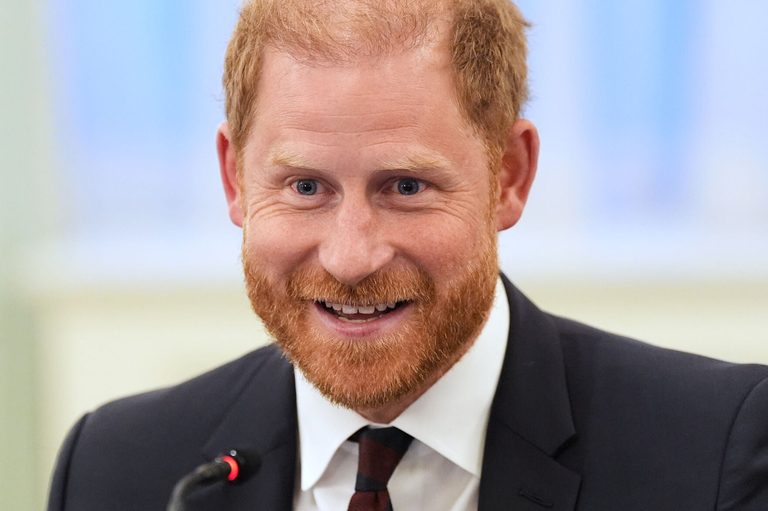
Washington, D.C. – Prince Harry, the Duke of Sussex, spent Wednesday night speaking with a small group of U.S. veterans, military spouses, defense officials and nonprofit leaders about how communities can better harness the skills of service members returning to civilian life.
Veterans’ expertise underutilized
“The world needs more heroes,” Harry said, emphasizing that many veterans already live among us and deserve recognition for their experience, communication abilities and moral leadership. He warned that these qualities are often not transferred into the civilian workforce.
The roundtable, organized by The Independence Fund – a nonprofit that supports critically wounded service members – lasted more than 80 minutes in a hotel ballroom in the capital.
Calls for practical solutions
Harry hinted at a forthcoming commercial venture designed to “really value those who served rather than expect them to volunteer.” He praised the younger generation of veterans for seeking “purpose” and “service after service,” regardless of branch or country.
Veterans shared personal challenges. Retired Marine Corporal Garrett J. Carnes, who lost both legs, spoke about the difficulty of staying active after a lifetime of physical fitness, adding, “I give all glory to Jesus Christ, but man I am so thankful that he invented Jiu‑Jitsu.” Others highlighted the need for better health‑center quality in smaller towns and for stronger mental‑health resources at overburdened Veterans Affairs offices.
Benefits and bureaucracy
U.S. Navy and Army veteran Jason Wheeler, now in a wheelchair, described the frustration of being denied military‑benefit coverage for a recent surgery. He recalled the “humiliating” experience of crawling off a commercial flight with his service dog, yet he has since walked over 1,000 feet and remains determined to keep fighting.
Philanthropic background
Harry’s involvement with veterans dates back to his own ten‑year British Army service, including two tours in Afghanistan. He founded the Invictus Games in 2014, a Paralympic‑style competition for wounded service members, and has long supported veteran health initiatives through the Archewell Foundation.
Sarah Verardo, CEO of The Independence Fund, noted that Harry’s presence at Walter Reed National Military Medical Center left a noticeable impact on patients, many of whom felt “taller and stronger” after speaking with him.
Broader concerns
In a separate interview with the Associated Press, Harry expressed worry that a small group of decision‑makers is shaping global policy on politics and technology. He called for younger leaders who might bring a different perspective, suggesting that “a little less testosterone might do as well.”
The roundtable followed Harry’s earlier visits to Arlington National Cemetery, where he laid a wreath, and to Walter Reed. He declined to comment on recent reports of an extended stay in the United Kingdom with his wife Meghan and their children.
Original reporting: KTBS 3 (Shreveport) — read the source article.