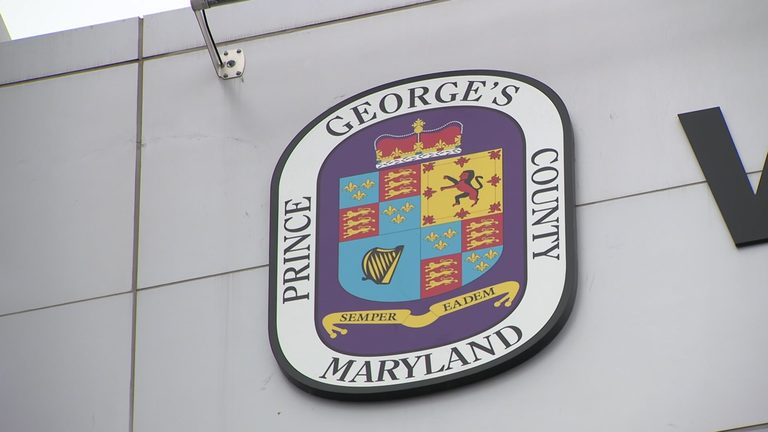
The Prince George’s County Council approved two bills on Monday that address the growing issue of unregulated street vending in the county. The measures are designed to create a framework for lawful vendors while strengthening enforcement against those who operate without a permit.
Street vending pilot program
Bill CB-013-2026 establishes a pilot program that will allow the county’s Office of Homeland Security, Economic Development Corporation, and Health Department to develop a regulated street‑vending system. The legislation directs these agencies to identify specific streets where authorized vendors may operate and to create a “simplified and less cumbersome” permitting process. The goal is to balance health and safety concerns associated with street food while providing a clear path for entrepreneurs to sell legally.
Enhanced enforcement against illegal vendors
Bill CB-003-2026 focuses on tightening enforcement against vendors who fail to obtain the required permits. Under the new rules, non‑compliant goods will be removed immediately. The bill also introduces a graduated penalty structure: a first offense results in a warning, a second offense carries a $1,000 fine, a third offense a $2,000 fine, and any subsequent offenses a $3,000 fine. County officials say the tiered system is intended to deter repeat violations while giving newcomers a chance to correct their status.
Next steps
Both bills now move to the county executive’s desk for review and signature before they can take effect. If signed, the pilot program could begin as early as the next fiscal year, providing a test case for other jurisdictions in the region that are grappling with similar street‑vending challenges.
Community impact
Local business owners and neighborhood groups have expressed mixed reactions. Some see the pilot as an opportunity to legitimize a vibrant street‑food culture that draws residents and visitors alike. Others worry that increased enforcement could disproportionately affect low‑income entrepreneurs who rely on informal vending for income. County officials have pledged to monitor the program closely and adjust regulations based on feedback and observed outcomes.
What residents should know
Residents who encounter unpermitted vendors are encouraged to report violations to the county’s code‑enforcement office. The county will provide a hotline and online portal for easy reporting. At the same time, the council hopes the pilot will create designated vending zones that enhance public safety, reduce sidewalk clutter, and support lawful small‑business owners.
By pairing a structured pilot with stronger penalties, Prince George’s County aims to protect public health, support legitimate entrepreneurs, and maintain orderly public spaces for all residents.
Original reporting: Arlington County | FOX 5 DC — read the source article.