Superintendent Kevin Hancock is leading Woodlawn School District’s effort to secure a Transportation Modernization Grant under the LEARNS Act. The district, which serves about 520 students in a thin‑but‑long, rural area just outside Rison, Arkansas, faces daily bus rides that can exceed two hours for some children.
Why the grant matters for families
Long, winding routes on dirt roads often require buses to travel half a mile past a stop before turning back, leaving younger students restless and at risk of missing their drop‑off points. Modernizing these routes would save time, reduce fuel costs, and give families more reliable transportation options.
What the grant offers
The Arkansas Department of Education’s Transportation Modernization Grant program, now in its second application cycle, provides funds to public schools, open‑enrollment charter schools and licensed daycare centers that serve publicly funded students. Eligible entities also include counties, education service cooperatives and nonprofit organizations.
Education Department spokeswoman Kaelin Clay said the grant is “long overdue” and helps communities reimagine student transportation.
Success stories from the first cycle
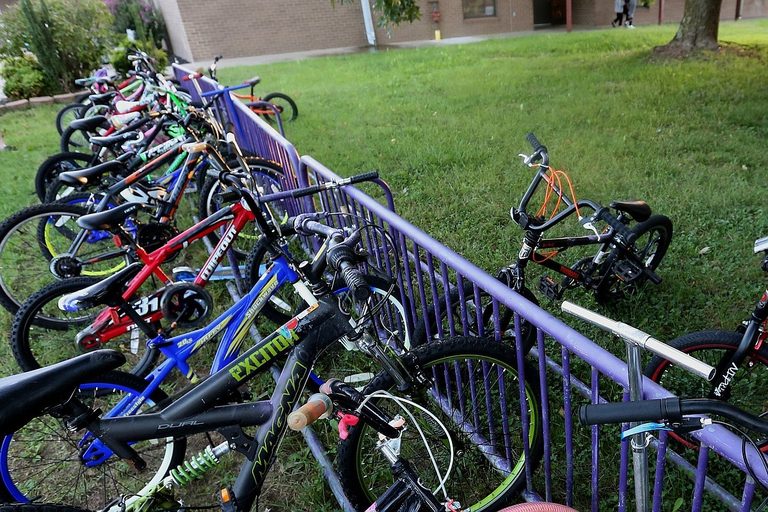
During the previous round, districts used grant money for a variety of projects: cab vouchers for parents, safety upgrades to walking and biking paths, and expanded crossing‑guard programs at busy intersections. The Little Rock School District, for example, spent $42,885 to provide free rides on Rock Region Metro’s bus fleet and to purchase bicycles, safety gear and bike racks, boosting attendance and encouraging healthy activity.
Stefanie Vestal, Little Rock’s director of strategy and external affairs, reported that the initiatives led to higher attendance and more students choosing to bike to school.
Woodlawn’s plan and broader interest
Hancock hopes new mapping technology could further streamline routes, though such tools are costly. He emphasizes fiscal prudence, noting, “One thing I’ve always been taught is don’t make a long‑term decision based off short‑term money.”
Other districts are watching closely. The North Little Rock School District is researching the grant, while the Southeast Arkansas Education Service Cooperative, which previously received funds but returned them, is considering a pilot app to coordinate rides—an “Uber for schools” concept.
Uncertainty about state and federal school funding has led some districts to sit out, but many see the grant as a chance to improve safety and efficiency without creating perpetual reliance on external money.
Application deadline
Applications are accepted through November 13. With support from the ADG Community Journalism Project, LEARNS reporter Josh Snyder continues to track the law’s impact on Arkansas K‑12 education.
Original reporting: Texarkana Gazette — read the source article.