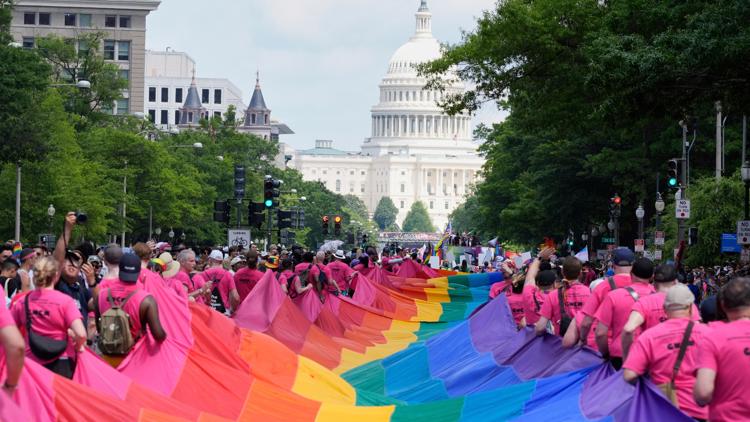
Pride Month 2026 has commenced across the United States, bringing a wave of celebrations to both large cities and small towns. These events, filled with vibrant parades and community gatherings, honor LGBTQ+ individuals and their contributions to society. However, this year’s festivities occur against a backdrop of policy challenges from the federal government.
Local Celebrations and Community Involvement
In Haddon Township, New Jersey, a Philadelphia suburb, the sixth annual Pride celebration is set to feature a parade with local high school marching bands and youth sports teams. Community involvement remains strong, with local businesses stepping up to sponsor the event, despite some national sponsors pulling back due to political pressures.
Isis Petrie Williams, president of Haddon Township Pride, emphasized the importance of community connection through these events. ‘We decided to have a radical expression of joy, acceptance, and love, centered on exposure and community connection,’ she stated.
Historical Context and Ongoing Challenges
Pride events have their roots in the 1969 Stonewall Inn protests in New York City, which marked a pivotal moment in the gay rights movement. Over the years, these celebrations have evolved into both joyful gatherings and acts of defiance against ongoing challenges.
Recent years have seen a shift in policies affecting LGBTQ+ communities. The U.S. Supreme Court’s decisions have included rulings against bans on ‘conversion therapy’ for minors, citing free speech protections, and allowing restrictions on pediatric gender treatments in certain states. These legal changes reflect broader national debates over individual liberties and parental rights.
Corporate Sponsorship and Political Climate
Some corporations have reduced their sponsorship of Pride events, influenced by the current administration’s stance on diversity, equity, and inclusion policies. Jordan Braxton, co-president of USA Prides, noted that while some large sponsors have withdrawn, local businesses have increased their support, ensuring that smaller events continue to thrive.
The ongoing political climate, shaped by President Donald Trump’s administration, has seen efforts to roll back certain rights for transgender individuals, further complicating the landscape for LGBTQ+ advocacy and celebration.
Despite these challenges, Pride Month remains a significant time for reflection, celebration, and advocacy, as communities across the nation come together to support and uplift one another.
Original reporting: KTVB (Boise metro) — read the source article.