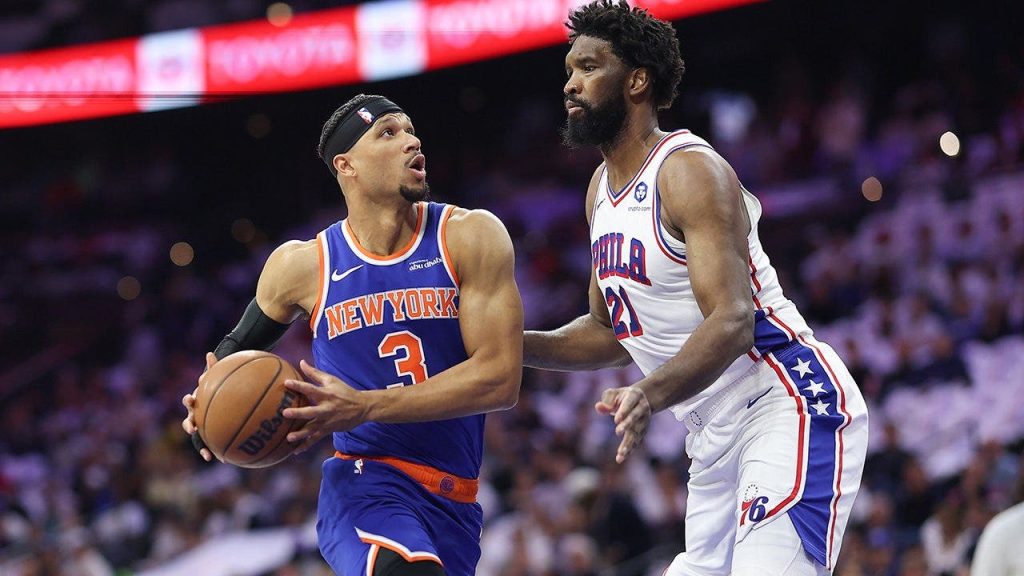
A Philadelphia 76ers fan named Matt cooked up a plan to mess with visiting New York Knicks supporters by buying refundable Amtrak Flex tickets to artificially push prices up, a stunt tied to Joel Embiid urging fans not to sell seats and a city known for unapologetic fandom. The scheme plays off surge pricing and refund rules on trains between New York and Philadelphia, and it has already popped up on Reddit as fans weigh whether gamesmanship is the new home-court advantage. Names like Evgeni Malkin and Joel Embiid get pulled into the story as examples of how intense sports culture and quick digital tactics collide between the two cities. What happens next could inspire copycats in other arenas where travel and ticketing meet modern pricing quirks.
Philadelphia fans have long had a reputation for being louder, sharper, and willing to push the envelope when it comes to supporting their team. That reputation isn’t just legend — it’s the kind of culture where a cheeky, tactical move to influence who fills the stands feels right at home. This recent plan shows how fandom can be both creative and a little ruthless, especially when playoff stakes are high. It’s less about violence and more about turning rules to your advantage.
The basic tactic hinges on Amtrak’s Flex ticket option, which is refundable if canceled before departure, and the fact that dynamic pricing reacts to demand. By buying Flex tickets at times they expect Knicks fans to choose, Matt and anyone who follows him aim to create temporary demand that nudges the system into higher fares. Then they cancel the refundable tickets before travel, leaving a smaller pool of fans paying the newly raised prices. It’s a digital-era version of gamesmanship: economic friction as a home-field weapon.
On Reddit, Matt laid out the plan plainly: “Just pick a time you’d think you’d pick if you were a Knicks fan looking to make the 3:30 start time and get back home after,” Matt posted on Reddit. “Click that ‘Flex’ option. Book the tickets. Hit that cancel button an hour or so before departure (set multiple alarms for this). Can’t hurt if we all do this.” The message is tactical and blunt, and it captures exactly the kind of coordinated small actions that can collectively move market signals. It’s also the sort of thing that looks brilliant on a message board and messy in practice.
Critics will say this is petty, manipulative, or borderline cheating the intent of a pricing system designed to be fair and flexible. Supporters will call it clever, a legal nudge using the transparency and policies of modern ticketing. Either way, the stunt highlights how simple consumer tools — refundable fares, dynamic pricing models — can be repurposed by organized groups. Whether Amtrak or other companies tweak rules in response remains to be seen, but the episode exposes a vulnerability in demand-driven pricing.
Joel Embiid’s public appeal to fans not to sell tickets added fuel to the idea that Philadelphia wanted to keep enemy colors out of the arena. His plea was straightforward: keep seats in Sixers colors and help preserve home-court energy. That sentiment fed into Matt’s idea, giving it a mission beyond trolling New Yorkers — it felt like a grassroots defense of atmosphere. For a city that takes pride in its home-court roar, these small battles matter to the bigger story of playoff momentum.
This isn’t the first time fans have used ticketing quirks to influence attendance, but the synergy between social media and simple refund rules gives this tactic new teeth. Even if only a few dozen people actually try it, the concept could ripple outward as other fan bases look for an edge. Imagine similar strategies in rivalry games across college football, baseball road trips, or MLS cups — anywhere travel and refundable fares mix with passionate supporters. The playbook is simple enough to copy and adaptive enough to suit different markets.
There are practical limits, of course. Coordinating enough buyers to move Amtrak’s pricing algorithm meaningfully takes numbers and timing. Refund windows and monitoring by the carrier could blunt the impact, and companies may change rules if such behavior persists. There’s also the ethical angle: using loopholes to manipulate prices can backfire reputationally, and the same fans might wind up alienating neutral supporters or drawing regulatory scrutiny. Still, for now it’s a low-risk, high-gallows-humor sort of stunt that fits Philadelphia’s swagger.
Beyond the immediate prankster appeal, the episode raises questions about how technology shapes modern fandom. Dynamic pricing exists to allocate scarce seats efficiently, but algorithms can be nudged by coordinated human behavior in ways designers didn’t expect. Fans who understand microeconomics and ticketing mechanics can turn that knowledge into influence. That’s part of why this story lands: it’s about savvy people using the rules of the system to fight for atmosphere and bragging rights.
If the plan works and fewer Knicks fans show up, the Sixers could enjoy a louder building and a psychological edge, even if the method leaves a bad taste for some. If it flops, it will be another quirky footnote in Philly sports lore — more about bravado than outcome. Either way, the mix of Joel Embiid’s plea, Matt’s Reddit post, and the city’s instinct for bold fan moves makes this a story about culture as much as competition. Expect other cities to watch and maybe borrow the idea, until platforms or carriers decide to plug the hole.