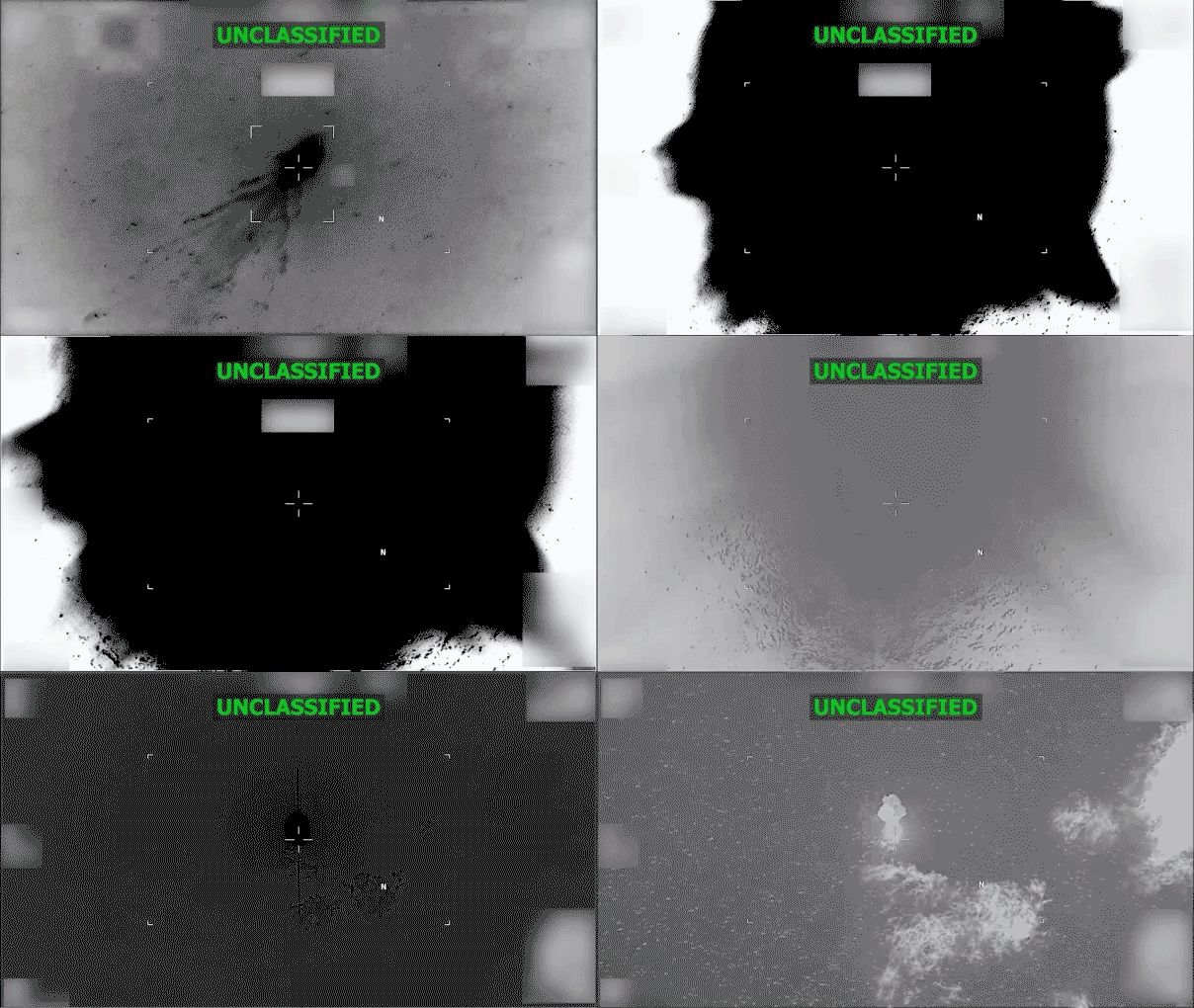
The U.S. military struck a suspected drug-smuggling vessel in the Eastern Pacific on May 8, killing two alleged narco-terrorists and leaving one survivor, SOUTHCOM reported, and the action was directed by Gen. Francis L. Donovan. SOUTHCOM said the operation followed confirmed intelligence about the vessel’s role along known trafficking routes and that the U.S. Coast Guard was notified to carry out search-and-rescue. The strike comes amid a recent string of similar operations targeting cartel-linked maritime smuggling in the Eastern Pacific and Caribbean.
The announcement made clear that this was not a random engagement but a targeted action based on surveillance and analysis. “On May 8, at the direction of #SOUTHCOM commander Gen. Francis L. Donovan, Joint Task Force Southern Spear conducted a lethal kinetic strike on a vessel operated by Designated Terrorist Organizations,” SOUTHCOM said in a post on X. That direction and the naming of the task force underline the deliberate, organized nature of the operation.
“Intelligence confirmed the vessel was transiting along known narco-trafficking routes in the Eastern Pacific and was engaged in narco-trafficking operations,” the post continued. “Two male narco-terrorists were killed during this action, and one survived the strike.” Preserving the quoted language from SOUTHCOM matters because it shows the basis used to justify the strike — confirmed intelligence and observed trafficking patterns.
No U.S. personnel were harmed in the engagement, which officials highlighted to stress both operational success and force protection. SOUTHCOM immediately notified the U.S. Coast Guard to conduct search-and-rescue efforts for the survivor, reflecting interagency coordination in the aftermath. That coordination matters when lives are at stake and when federal assets must respond quickly to evolving situations.
This strike is part of a broader push to choke off maritime smuggling lanes that funnel narcotics toward the United States and Central America. The military has conducted multiple strikes in recent months aimed at dismantling cartel-linked operations, and those actions have included targets in both the Eastern Pacific and the Caribbean. For policymakers interested in border security and supply-chain disruption, hitting the routes rather than only chasing shipments inland is smart strategy.
The Eastern Pacific corridor is a well-known path where small, fast boats run large loads under cover of darkness and distance, and cartel networks have built sophisticated systems to move product offshore. By targeting conveyances at sea, the U.S. pressures logistics hubs that cartels depend on and makes smuggling more dangerous and expensive. That kind of pressure forces traffickers to change tactics and increases the risk for their operations, which is precisely the point.
SOUTHCOM’s area of responsibility covers Central and South America and the Caribbean, putting it squarely in the lead for counter-narcotics maritime missions. The command’s statements emphasize both regional focus and national interest, since drugs on these routes ultimately threaten U.S. communities. Regional partners benefit from reduced maritime traffic by criminal organizations, and the U.S. benefits from fewer shipments reaching our shores.
The use of force against vessels tied to designated terrorist organizations is not taken lightly, yet it can be necessary to stop networks that finance violence and chaos. Lawmakers who prioritize security should note that dismantling maritime trafficking nodes helps reduce flows of fentanyl and other dangerous drugs. This is about protecting families and communities from poison imported across international waters.
These operations rely heavily on intelligence collection from multiple sources, and officials pointed to that evidence when explaining the strike. Good intelligence reduces collateral risk and allows forces to choose precise timing and methods to neutralize threats. That precision is crucial politically and operationally when the U.S. engages outside its borders to defend the homeland.
Recent strikes earlier in the week killed several additional suspected traffickers, demonstrating a sustained campaign rather than an isolated incident. That tempo sends a message to criminal networks that maritime routes are contested and no longer safe for unchallenged smuggling. Sustained operations also require clear rules of engagement and ongoing oversight to ensure they remain lawful and effective.
There are hard choices here, and this administration’s commanders are exercising authority to protect U.S. interests and to disrupt financing for transnational criminal and terrorist organizations. Those who care about law and order should support tough, targeted action that keeps Americans safe and targets the logistics that enable large-scale drug distribution. When forces operate with solid intelligence, interagency coordination, and clear objectives, the results can reduce the flow of deadly drugs along these key corridors.