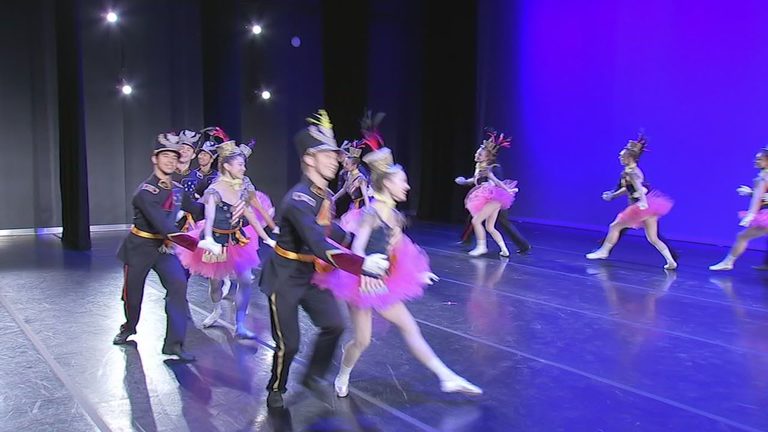
In the north Pittsburgh area, Roots Learning Academy operates as a hybrid program that blends home instruction with on‑site classes held in rented church spaces. Founded in 2023 by homeschooling mother of five Katy Duckstein, the school serves roughly 150 families who split their children’s time between home‑based learning and scheduled academic or extracurricular sessions three days a week.
In March, state inspectors conducted a surprise visit and questioned Duckstein about enrollment numbers, student ages, and staffing. The officials concluded that Roots should be classified as a childcare center and therefore obtain a state license. Duckstein warned that such a requirement would fundamentally alter the parent‑run model by imposing background checks, CPR certification, and six hours of annual training for all volunteers.
Legal challenge launched
Two weeks after the inspection, the Pennsylvania Office of Child Development and Early Learning sent Roots a cease‑and‑desist letter demanding compliance with childcare licensing rules. The Institute for Justice, a libertarian law firm known for defending school‑choice rights, has taken the case. Attorneys argue that Roots is not a childcare facility but a legitimate hybrid learning model that the state itself encourages through co‑ops and resource‑sharing arrangements.
“We’re seeing this square‑peg‑in‑a‑round‑hole problem where the government is forcing these new models into old regulatory boxes,” said Michael Bindas, senior attorney at the Institute for Justice, in an interview with The 74. Bindas, who successfully argued the landmark Carson v. Makin case before the U.S. Supreme Court, now focuses on protecting start‑up education providers from outdated regulations.
Regulatory landscape and parental concerns
Pennsylvania law defines a childcare center as any premises where childcare is provided simultaneously to seven or more children who are not relatives of the operator. The state’s cease‑and‑desist letter cited this definition, despite Roots operating only three days a week from 9 a.m. to 2 p.m. and offering a full academic curriculum.
Duckstein explained that the licensing requirements would deter many families from participating. Parents currently help with drop‑off and pick‑up, organize field trips, and even teach classes related to their professions. Requiring background checks and mandatory training for every volunteer would add significant administrative burdens and costs.
Pennsylvania does offer exemptions for summer camps, single‑subject programs, and activities that run only two hours a day, but Roots does not fit those categories. The Institute for Justice contends that the state’s approach is “utterly irrational” given the similarity of Roots to other exempted programs.
Broader context of microschools and hybrid models
Across the country, education‑savings accounts (ESAs) have fueled growth in microschools and hybrid programs by allowing parents to direct state funds toward a la carte learning options. Research by Tulane University economist Doug Harris shows that ESA programs have contributed to a modest 3‑4 % increase in private‑school enrollment, much of it in very small schools.
Harris noted that the current environment resembles the early‑1990s wave of legislation that eased homeschooling restrictions, creating a new equilibrium of policies. Some states, such as West Virginia, have already carved out a distinct category for microschools, while others continue to treat them as either childcare centers or private schools.
Potential federal developments
Upcoming federal tax‑credit scholarship programs, slated to begin next year, could further accelerate the growth of micro and hybrid schools in states that opt in. Critics, including the Center for American Progress, warn that without proper oversight, these schools might bypass safety standards and zoning regulations.
Florida’s 2024 law, which permits private schools to occupy non‑traditional spaces like museums and movie theaters without local approval, is often cited as a model for regulatory flexibility. Proponents argue that modernizing the regulatory regime would acknowledge the valuable role these schools play in providing parental choice and innovative education.
Local impact and next steps
The legal battle over Roots Learning Academy highlights a growing tension between state regulators and families seeking alternative education models. If the Institute for Justice succeeds, it could set a precedent that protects hybrid programs from being forced into childcare licensing regimes, preserving parental control and community‑driven schooling.
For now, Duckstein and the Institute for Justice are preparing to challenge the cease‑and‑desist order in Pennsylvania state court, emphasizing that the program’s structure aligns with state‑endorsed homeschooling co‑ops rather than traditional childcare facilities.
Original reporting: El Paso News (HLL/CB) — read the source article.