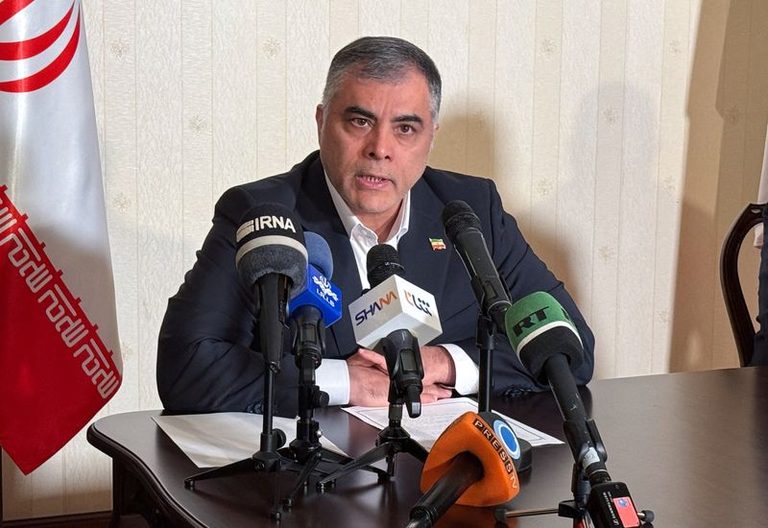
In a development that underscores the pressure the United States‑Iran conflict is placing on Tehran’s economy, Iran’s Oil Minister Mohsen Paknejad has resigned. State media reported on Sunday that Hamid Bovard, the chief executive of the government‑owned National Iranian Oil Company, will assume the role of acting oil minister.
Background on Paknejad’s Tenure
Paknejad was appointed to the oil ministry in August 2024, taking the helm of the OPEC member’s most vital economic sector. His brief tenure has been marked by the ongoing seven‑month war between Iran and the United States, a confrontation that has disrupted oil exports and heightened inflationary pressures within Iran.
State media quoted Paknejad shortly before his resignation, saying, “revenues of the oil that we have sold are still coming and that will continue God willing.” The statement reflects the ministry’s hope that existing sales contracts will continue to generate income despite the broader geopolitical turmoil.
President’s Acceptance and Acting Appointment
According to an official at President Ebrahim Raisi’s office, the president accepted Paknejad’s resignation and formally appointed Bovard as acting minister. The announcement was made without providing a specific reason for the departure, leaving analysts to speculate on the impact of the war‑related economic strain.
Bovard, who has overseen the National Iranian Oil Company’s operations, is expected to maintain continuity in Iran’s oil production and export strategy while the country navigates sanctions and the ongoing conflict with the United States.
Implications for Iran’s Energy Sector
The oil ministry’s leadership change arrives at a critical juncture. Iran remains a major oil producer, and its ability to sustain export revenues is essential for funding government services and meeting the needs of its citizens. With the United States continuing to apply economic pressure, the new acting minister faces the challenge of preserving oil output, securing buyers, and managing the nation’s fiscal stability.
Industry observers note that the resignation could signal internal disagreements over how best to respond to sanctions and the war’s economic fallout. However, the swift appointment of an experienced oil executive suggests the administration aims to avoid disruption in the sector.
International Context
The United States has maintained a hard line against Iran’s nuclear and missile programs, imposing sanctions that limit Tehran’s ability to sell oil on the global market. The conflict has also prompted regional allies to reassess their energy strategies, potentially reshaping supply dynamics in the Middle East.
While the resignation itself does not alter the broader geopolitical landscape, it highlights the human toll of prolonged conflict on Iran’s governance and economic management.
What Comes Next
Hamid Bovard’s tenure as acting minister will be closely watched by both domestic stakeholders and international partners. His experience at the National Iranian Oil Company may provide the technical expertise needed to keep production stable, but political pressures from the United States and internal factions could complicate his mandate.
For now, Iran’s oil sector remains a focal point of the nation’s economic resilience, and the leadership transition will be a key factor in how Tehran navigates the ongoing war and associated sanctions.
Original reporting: Appleton, WI News Feed (HLL/CB) — read the source article.