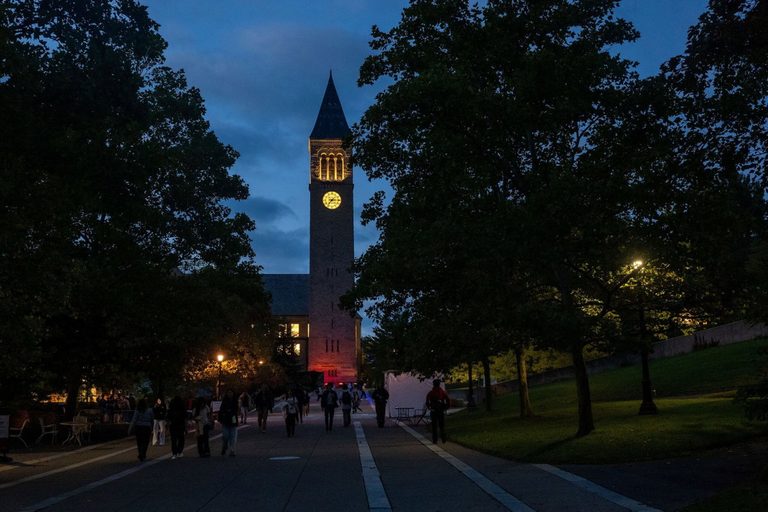
Ithaca, NY – The atmosphere at Cornell University has shifted dramatically since a former student, identified only as Jane Doe, filed a civil lawsuit last month alleging she was the victim of a gang rape in a fraternity house in October 2024. The case, which did not result in criminal charges, has sparked intense debate among students, faculty and local residents.
Student reactions reveal deep concern
Freshman Alexandra Pogyo Samaniego described how the lawsuit has turned her excitement about college into “disillusionment.” She said she wakes each morning thinking about the case and feels a “quietness” that has replaced the campus buzz she once enjoyed. “It’s a deep sorrow that this could happen to Jane Doe and to anyone on campus,” she told reporters outside Willard Straight Hall, a building known for its 1969 student occupation against racial injustice.
Other students echoed her sentiment. Jonah Van der Linden, also a freshman, admitted he broke down in tears after weeks of anxiety and anger. He has been working with a sorority president to support her chapter’s members and wrote an article for the student‑run magazine Collegetown outlining ways the campus can begin to heal. “You need to talk to your friends and spend time with them, especially survivors and women who feel unsafe,” he said.
Online harassment and calls for change
Both Samaniego and Van der Linden reported a surge of online harassment directed at Cornell students. Freshman Darius Pierce said many peers have been told to transfer to another university. Despite the negativity, he noted an “overwhelming amount of support” for Jane Doe from within the campus community.
Senior Ava Farkash expressed hope that the attention will lead to lasting reforms. “We need something to come of this and be resolved because stuff like this happens all the time,” she said, adding that the ongoing controversy adds stress to her senior year job search.
Calls for transparency and student input
Students are demanding greater transparency from university administrators and more meaningful student participation in any investigative process. They argue that the lack of clear communication has eroded trust and left many feeling unsafe.
University officials have not yet released a detailed response, but campus leaders have indicated they are reviewing policies related to sexual assault investigations and student safety. The administration’s next steps are being closely watched by both the Ithaca community and national observers.
Resources for survivors
Anyone affected by sexual assault can contact the National Sexual Assault Hotline at 1‑800‑656‑4673 or chat 24/7 at online.rainn.org. Local counseling services are also available through the Cornell Health Center.
The situation at Cornell underscores the broader challenge of ensuring campus safety while respecting due process. As the lawsuit proceeds, students, faculty and local residents remain vigilant, hoping for reforms that protect all members of the university community.
Original reporting: KTVZ (Central Oregon) — read the source article.