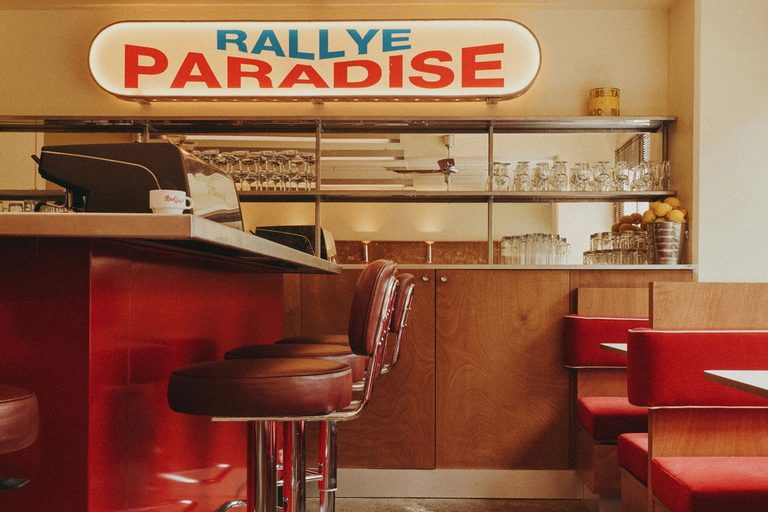
Paris has seen a wave of American‑style eateries, from neon‑lit diners serving Detroit‑style pizza to venues offering Texas barbecue and Southern fried chicken. One such spot, Red Sauce, recreates the look of a classic U.S. diner with Formica tables, rotating ceiling fans and vintage salt shakers.
Local reaction to new dining habits
While the novelty attracts social‑media buzz, many French diners and industry voices view the shift with caution. The earlier dinner hour, a staple of North‑American and some Asian cultures, now appears in Parisian restaurants, prompting Le Figaro to wonder whether it is a passing fad or a lasting change in habits.
More contentious is the spread of digital tipping prompts on card machines and QR codes. Traditionally, French service includes a 15% service charge (service compris) that covers staff wages. Tips, or “pourboire,” have historically been a modest, discretionary gesture—often just spare change left for a drink.
Philosopher Jean‑Loup Bonnamy labeled the push for digital gratuities a “form of Americanization of French society,” calling it a servile and misunderstood import. Restaurateur Christophe Souques, who runs several cafés in the south of France, echoed the sentiment, noting that North‑American tipping arrived with increased tourism in the 1990s and has since been amplified by digital payment systems.
Data shows growth in digital gratuities
According to a June report from payment platform Lightspeed, the share of digital transactions that included a customer‑added tip rose from 4% in 2023 to nearly 10% in 2025, based on data from 1,500 French restaurants using its system.
Critics argue that prompting customers to select a 5%–20% tip on a card screen pressures diners and turns a personal interaction into a financial transaction. “It feels aggressive and breaks the rapport between server and customer,” Souques said, adding that he has removed the option from his own establishments.
Patrons like Rose Camara, a regular diner from Lyon, refuse the digital prompts, fearing a drift toward the U.S. model where servers rely on tips for a living wage. “Servers should be paid a fair wage by their employer, not by the customer,” she said.
Balancing tradition and modern convenience
Supporters of digital tipping argue it offers flexibility for generous diners and can streamline payments. Yet French journalists such as Frédéric Martel describe the practice as misleading and even “theft,” urging a 5% cap on voluntary gratuities.
As France moves toward tax‑exempt status for card‑based tips through 2028, the debate highlights a broader cultural conversation about preserving French service traditions while adapting to global influences.
For now, many Parisian restaurateurs remain vigilant, choosing to keep service decisions in the hands of customers rather than machines, and reminding diners that French hospitality has long been about professionalism, discretion, and genuine human connection.
Original reporting: KTVZ (Central Oregon) — read the source article.