The Big Horn Polo Club has been running matches in the shadow of the Bighorn Mountains since 1898, making it one of the oldest continuously operating polo clubs in the United States. Most people driving through Sheridan on I-90 have no idea that twelve miles south, on a Sunday afternoon in July, there are actual polo ponies tearing across a grass field while a few hundred people eat sandwiches from lawn chairs. That gap between the sport’s reputation and this particular crowd is a big part of what makes it worth going.
The matches are held at the Big Horn Equestrian Center, just outside the tiny town of Big Horn — pronounced locally with the emphasis on the first syllable. Take Highway 335 south from Sheridan, watch for the signs, and you’ll find the grounds set against a wall of foothills that makes the whole scene look faintly cinematic. Parking is free and informal. You pull up on grass.
Games run on Sundays from mid-June through August, typically starting around 2 p.m. Admission is charged at the gate — recent years have seen it run around $10 to $15 per adult, with kids generally free or close to it. There’s no reserved seating structure to navigate; you bring your own chairs or blankets and set up along the sideline. A concession stand handles the basics: hot dogs, sodas, beer. It’s not fancy. Bring a cooler if you want something specific.
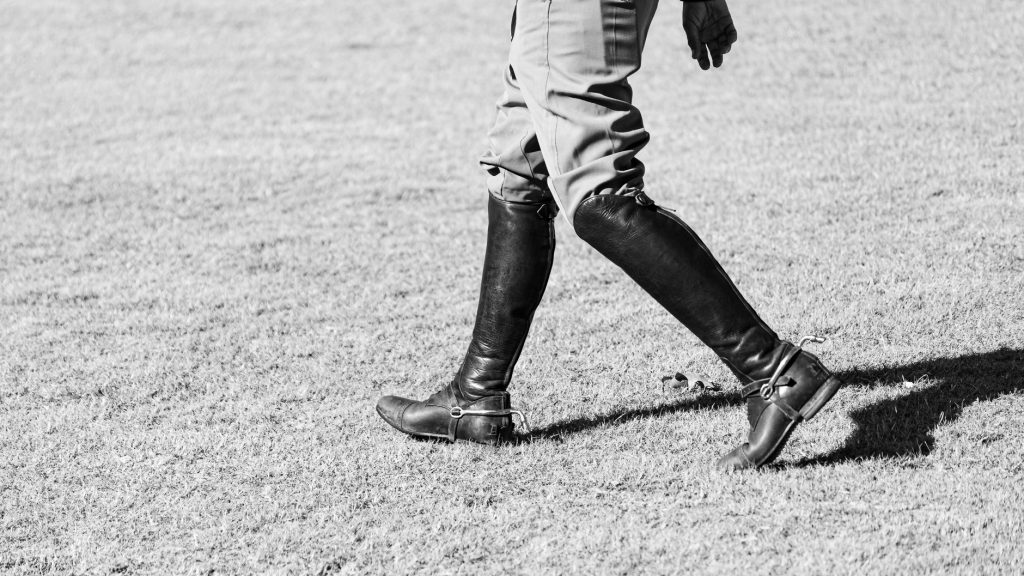
What you’re watching is four-on-four polo, organized at a competitive club level — meaning the players are genuinely skilled, some of them traveling from out of state for the summer season, but it’s not the international celebrity circuit. The horses are the main event whether you realize it at first or not. These animals cover the field at a sustained gallop for seven-minute chukkers, and the footwork involved in hitting a ball at that speed while managing a 1,200-pound horse is something that stops registering as ordinary pretty fast.
The tradition in polo is to walk the field at halftime and help stomp divots back into the turf. At Big Horn, people actually do this, kids included. It’s a small thing, but it pulls the crowd into the game in a way that sitting in bleachers doesn’t.
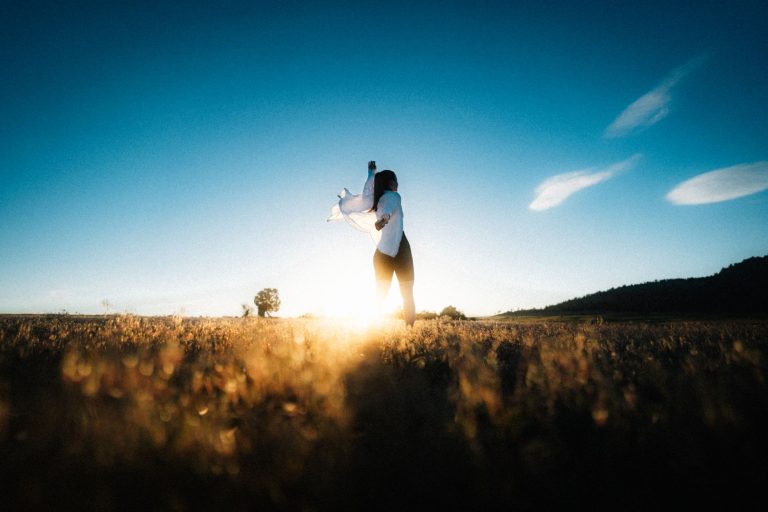
The surrounding landscape does most of the work atmospherically. The Bighorns rise to the west with enough snow still showing on the upper elevations into July to look a little surreal. The air at Big Horn sits about 500 feet higher than Sheridan proper, and on a clear Sunday afternoon the light quality is genuinely different — sharper, bluer. You’ll notice it in photographs.
If you’re in Sheridan on a summer Sunday and you haven’t been out to a match, it’s the kind of afternoon that tends to recalibrate what you thought the trip was going to be about. Plan for two to three hours total. Wear sunscreen. The elevation and the open field mean you’ll burn faster than you expect.