Texans are hearing a clear message from the two leading candidates for the state’s open U.S. Senate seat: lower energy costs for families. Attorney General Ken Paxton and State Representative James Talarico have made energy affordability a centerpiece of their campaigns as they tour the state ahead of the November midterms.
Rising costs and the data‑center boom
Electric Choice reports that Texas energy prices have risen more than 30% over the past five years, a trend mirrored nationwide. A major driver is the rapid expansion of data centers for artificial intelligence. Texas now hosts nearly 400 data centers, consuming about 17 terawatt‑hours of electricity annually – enough to power 1.6 million homes. More than half of Texans surveyed oppose new data‑center construction in their neighborhoods.
Paxton’s plan to curb wasteful subsidies
In August, Paxton announced a proposal to ban Chinese technology from U.S. data centers and to hold operators accountable if their AI systems endanger child safety. He also pledged to co‑sponsor the DATA Act, a bill introduced by Sen. Tom Cotton (R‑Arkansas) that would exempt off‑grid power systems with high energy loads, such as data centers, from most federal electricity regulations.
Paxton supports Governor Greg Abbott’s effort to require data‑center owners to fund their own electricity infrastructure, repeal sales‑tax exemptions, and lessen community impacts. Critics note that Paxton voted in 2013 to grant those very tax exemptions, which have cost Texas billions in revenue. JT Ennis, communications director for the Talarico campaign, called the former exemptions “billions of tax handouts” that created today’s problem.
Talarico’s parallel push for reform
Talarico also calls for ending the sales‑tax breaks for data centers and for requiring companies to fund necessary grid upgrades. He wants local governments to have a say on whether a data center can be built, a stance Paxton has not taken as attorney general.
In addition, Talarico highlighted the need to expand the Low‑Income Home Energy Assistance Program (LIHEAP), noting that only 15% of eligible households receive aid. He urges structural changes so hot‑climate states like Texas receive a fair share of federal assistance.
Gas tax and broader affordability measures
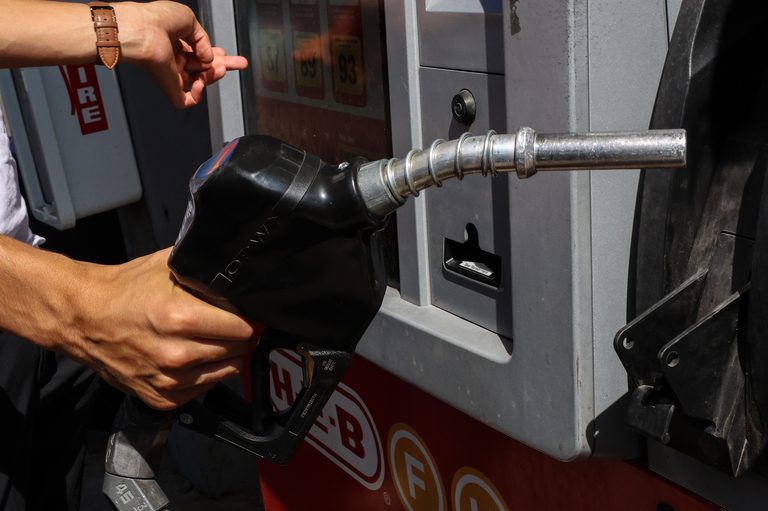
Both candidates support eliminating the federal gasoline tax – Paxton wants a permanent repeal, while Talarico backs a temporary suspension. The tax currently stands at 18.4 cents per gallon, and national gasoline prices have risen more than a dollar since last year, pushing pump prices to $4.30‑$4.40 per gallon.
Climate and regulatory stance
Paxton has a long record of suing the Environmental Protection Agency to block federal air, water and emissions regulations, including the methane tax and stricter air‑quality standards enacted under the Biden administration. He says he will “use every available avenue to block Biden’s extremist climate agenda, especially when federal policy undermines Texas industry and destroys Texas jobs.”
Talarico, by contrast, authored a 2021 bill targeting a 90% emissions reduction by 2050 and has advocated for adding climate change topics to K‑12 curricula. He promotes an “all‑of‑the‑above” energy strategy that protects good‑paying oil and gas jobs while fostering new employment in geothermal and hydrogen technologies.
What the race means for Texas
Rice University professor Daniel Cohan, who studies civil and environmental engineering, notes that the winner will likely be the 51st vote for the Senate majority, shaping national energy legislation for years to come. “Whoever wins the Senate race is going to be the deciding vote on the next session of Congress,” he said.
Both campaigns are emphasizing pocket‑book issues to appeal to everyday Texans who are feeling the pinch of higher gas and electric bills. As the race tightens, voters will weigh each candidate’s approach to data‑center taxation, federal gas‑tax relief, and broader energy policy.
Original reporting: Texas Tribune (HLL/CB) — read the source article.