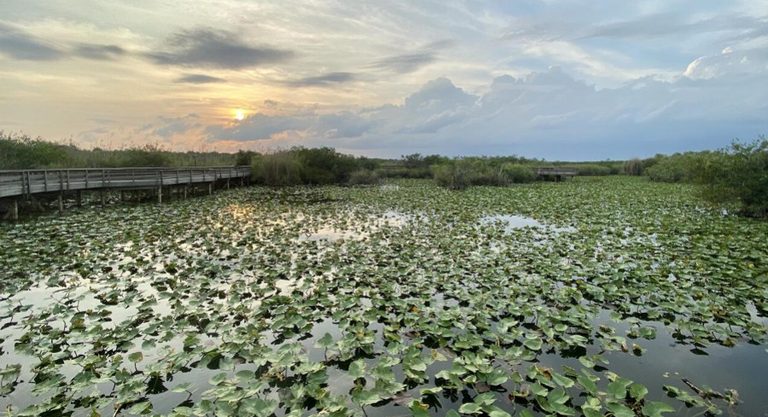
What exactly do you do with 9,000 acres of restored wetland in the middle of southern Indiana? That’s the question most people ask the first time they pull off State Road 67 south of Linton and see the flat, glassy expanse of Goose Pond Fish & Wildlife Area stretching out in every direction. The honest answer: you show up, you get quiet, and then the place explains itself.
Goose Pond sits about 45 minutes north of Evansville in Greene County, which puts it comfortably within day-trip range for anyone in the Tri-State area. It’s managed by the Indiana Department of Natural Resources and has become, over the last two decades, one of the most significant migratory bird staging areas in the entire Midwest. Sandhill cranes pass through by the tens of thousands in late fall — and that number isn’t rounded up for effect. During peak migration, which typically runs late October through November, the sound alone is enough to stop you cold. It’s not ambient. It’s a wall of noise arriving from a gray sky.
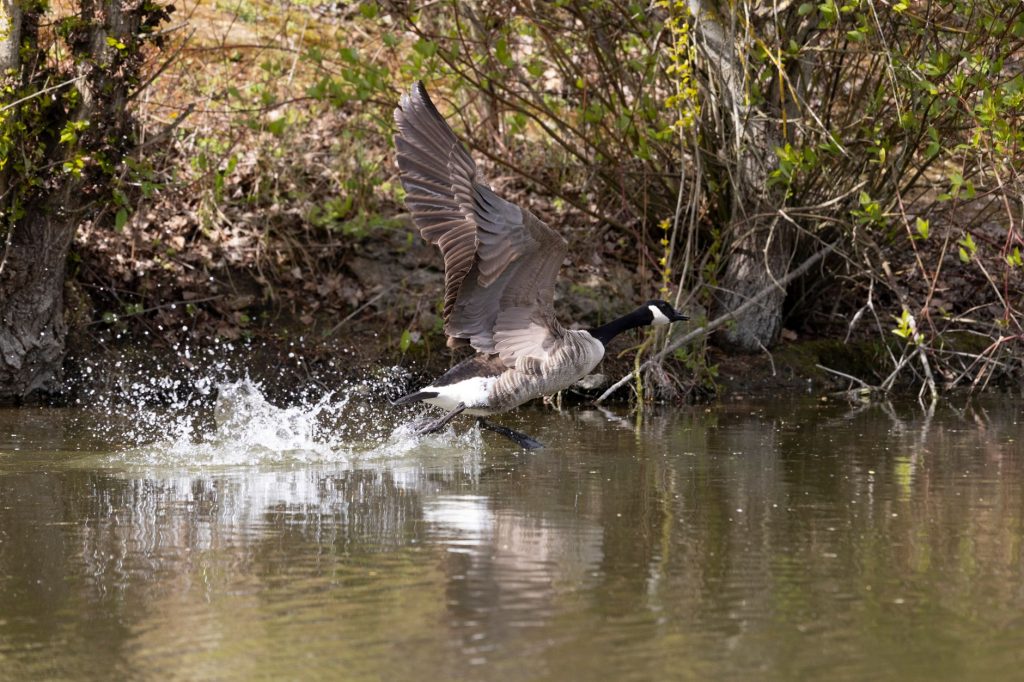
The crane migration gets the headlines, but Goose Pond earns repeat visits year-round. Spring brings shorebirds and waterfowl in numbers that make serious birders drive from three states away. There’s a reason the parking lots fill up on weekend mornings in March: this is legitimate bird-watching territory, not a casual pond with a few mallards. The variety during migration windows — dunlin, dowitchers, yellowlegs, American golden-plovers — is the kind of list that makes people with binoculars visibly emotional.
The infrastructure is modest and suits the place. A handful of gravel auto tour routes let you cover ground without hiking miles in mud. There are elevated viewing platforms that give you sightlines across the water cells. Bring rubber boots if you plan to walk any distance; the ground stays wet well into late spring, and the trails aren’t manicured. This is a wildlife management area first, a recreational destination second, and the experience is better for that ordering.
Evansville birders who know Goose Pond treat it as a standing appointment. The Facebook group dedicated to regional bird sightings lights up every October with crane counts and photos that frankly seem implausible until you’re standing there watching it happen. First-timers often show up expecting something like a city nature park and leave recalibrating their sense of scale.
Access is free. The main entrance off SR 67 puts you near the visitor kiosk, where maps and seasonal information are posted. Cell service is unreliable in parts of the area, so download a map before you go. The nearest real town with food and gas is Linton, about 10 minutes north — plan accordingly, because the area itself has no amenities.
The drive up from Evansville on a clear November morning, coffee in hand, fields going gold on either side of the highway — it’s a reasonable way to spend a Saturday. When you hear the cranes before you see them, somewhere over the tree line, the question of what to do with 9,000 acres of wetland answers itself completely.