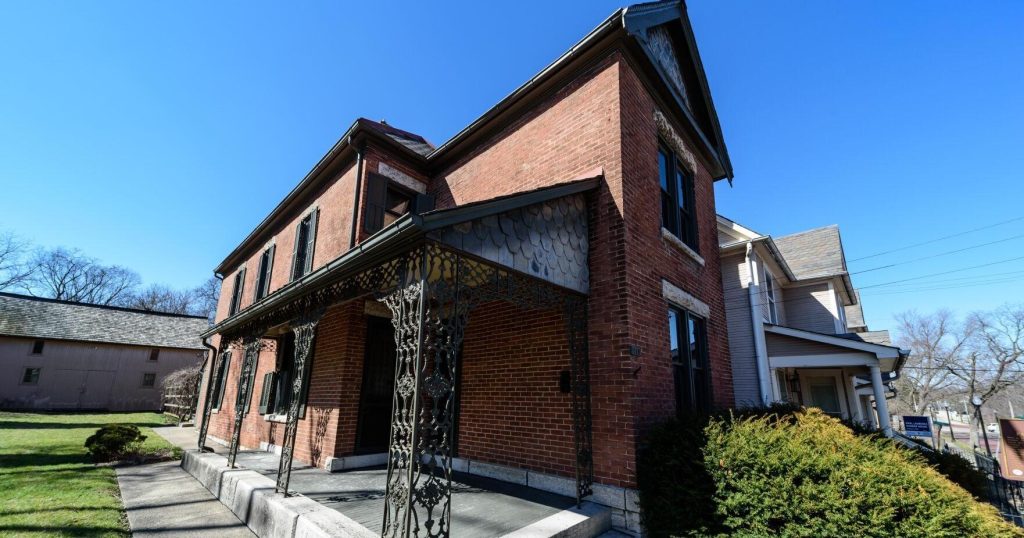
The Paul Laurence Dunbar House in Dayton, Ohio, has reopened after a careful restoration that honors the poet’s life and the neighborhood that raised him. Local preservationists, museum staff, and community leaders worked together to stabilize the building, refresh exhibits, and prepare the site for visitors and school groups. The project aims to deepen public understanding of Paul Laurence Dunbar’s work and to strengthen Dayton’s cultural tourism profile.
“Restoration has been completed at the Paul Laurence Dunbar House.” That line captures the milestone, but the work behind it is about more than paint and masonry. Contractors tackled structural issues, conservators treated fragile objects, and curators redesigned displays to make Dunbar’s story feel immediate for people of all ages. The result is a site that looks cared for and tells a clearer, richer story of the poet’s world.
The house itself is a tangible link to Paul Laurence Dunbar, one of America’s most influential poets from the late 19th and early 20th centuries. Visitors now walk through rooms that blend period detail with new interpretive text and artifacts, so the life—both the hard parts and the triumphs—comes through. Those design choices were deliberate, intended to respect Dunbar’s legacy while helping modern audiences connect with his writing.
Funding for the restoration came from a mix of public grants, private donations, and local fundraising, illustrating how historic sites can be saved through broad community buy-in. That mix also helped accelerate repairs that might otherwise have waited for years, like roof work and climate control upgrades needed to protect manuscripts and textiles. The project balanced urgency and care, making sure interventions were reversible and guided by preservation standards.
Neighbors and volunteers played a significant role beyond writing checks, contributing labor, expertise, and local knowledge that shaped how the museum presents its story. School programs were consulted so exhibits would support field trips and classroom work about regional history and literature. That local involvement helps the Dunbar House feel less like a frozen relic and more like an active cultural hub for Dayton.
For educators, the restored house provides fresh material for lessons on poetry, race, and American literature, all grounded in the place where Dunbar lived. Curators developed programming to pair readings with primary sources, inviting students to see how poems grew out of lived experience. Those hands-on connections make Dunbar’s voice louder and more relevant than a quote on a plaque ever could.
Tourism partners in Dayton are already eyeing the reopening as a boost for downtown and surrounding neighborhoods, noting that cultural attractions feed local business growth. Museum visits tend to ripple out into restaurants and shops, and a well-maintained historic site gives event planners one more reason to bring groups to the city. The economic angle does not overshadow the cultural one, but it does provide a practical argument for preserving local heritage.
Preservationists say this restoration offers useful lessons for other small historic sites: prioritize climate control, invest in interpretive planning, and build partnerships with schools and community groups. Those steps keep collections safe, make exhibits meaningful, and create a steady stream of supporters who understand why maintenance matters. The Dunbar House’s approach shows that careful planning can turn a costly project into lasting community value.
Looking ahead, staff plan to host readings, workshops, and rotating exhibits that highlight different aspects of Dunbar’s life and the broader African American literary tradition. Those programs aim to expand audiences beyond tourists and to make the house a place where Dayton residents regularly return. The hope is that the site will be both a museum and a gathering place where local stories are told and retold.
Reopening a historic home is always a mix of preservation and invention, and the Paul Laurence Dunbar House balances both with thoughtful choices that strengthen the site physically and culturally. For anyone who cares about literature, local history, or neighborhood revitalization, the restored house is worth a visit. It stands as a reminder that preserving our past can actively enrich community life today.