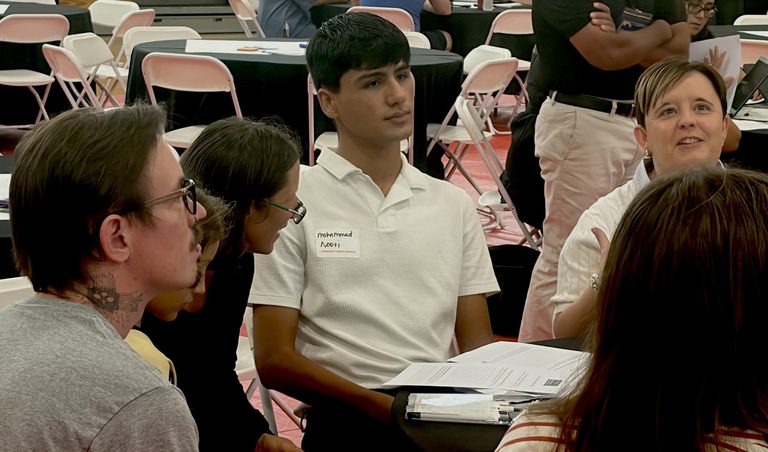
When a young adult with Duchenne muscular dystrophy watches the Senate debate Dr. Heidi Overton’s nomination, the stakes feel personal, not abstract. The 25‑year‑old author of this piece knows that the FDA commissioner’s decisions directly affect the speed and availability of life‑saving treatments for the roughly 30 million Americans living with rare diseases.
Why the FDA matters to rare‑disease patients
The FDA’s accelerated approval pathway already shortens the time it takes for promising therapies to reach patients with serious, life‑threatening conditions. Several Duchenne treatments have been approved through this route, yet the author notes that even when a drug exists, accessing it can be a logistical nightmare—traveling long distances for clinical trials and navigating complex regulatory paperwork.
Trump’s Right‑to‑Try legacy
President Trump signed the Right‑to‑Try Act into law in 2018, affirming that when standard options are exhausted, a patient and physician should be able to pursue investigational treatments without being treated as passive observers. The author argues that this patient‑centered philosophy should extend beyond the act itself and become a cultural norm within the FDA.
Senator Ron Johnson and Representative Diana Harshbarger have introduced “Right‑to‑Try 2.0,” seeking to apply the same principle to emerging, individualized therapies that do not fit the agency’s traditional approval model. While they await congressional action, the author believes the next FDA commissioner can set the tone without waiting for new legislation.
What the nominee brings
Dr. Overton’s background includes extensive experience in drug development and regulatory science. Supporters say she understands the balance between rigorous scientific review and the urgent needs of patients facing terminal illnesses. The author urges the Senate to confirm a commissioner who will treat patients as partners rather than bystanders.
A personal recommendation
The author also recommends Dr. Houman Hemmati for deputy commissioner, citing his biotech career focused on rare and degenerative diseases. While acknowledging the appearance of a conflict of interest, the author stresses that Hemmati’s lived experience with Duchenne equips him to advocate effectively for patients.
What’s at stake
For those with Duchenne, each year of delay can mean loss of muscle strength, independence, and quality of life. The author’s brother, also living with the disease, illustrates how even approved treatments can be difficult to obtain without a supportive regulatory environment.
In the broader context, the nomination reflects President Trump’s commitment to empowering patients and reducing bureaucratic barriers. Confirming Dr. Overton would signal that the administration continues to prioritize individual liberty and faith‑based values of caring for the vulnerable.
Call to action
The author concludes with a heartfelt plea: confirm a commissioner who will listen to patients, physicians, and rare‑disease experts, and move the FDA toward a partnership model that respects the courage and autonomy of those battling life‑threatening illnesses.
Original reporting: Fox News (HLL/CB) — read the source article.