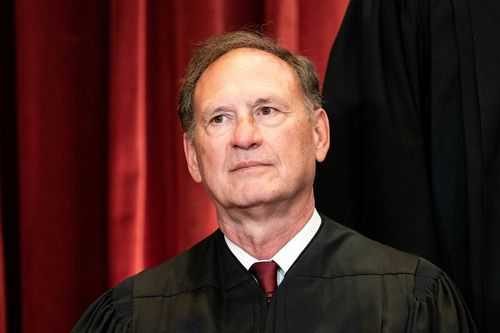
In a brief letter to the parties, Supreme Court Justice Samuel Alito confirmed that he will not participate in the upcoming climate change case scheduled for argument next week. The decision follows weeks of complaints from environmental organizations that his personal investments in oil and gas companies could create an appearance of bias.
Background of the case
The case, the first to be heard in the Court’s new term, centers on whether the city of Boulder, Colorado, may sue energy giants Suncor Energy and Exxon Mobil for damages attributed to climate change. Plaintiffs argue that state tort laws should apply, while defendants contend that federal law and the Constitution’s separation of powers preempt state claims.
Potential impact
A ruling could set a precedent for dozens of lawsuits filed by state and local governments seeking billions of dollars in climate‑related damages. While the Court’s 6‑3 conservative majority has often split on preemption issues, recent decisions have frequently favored industry interests over environmental claims.
Alito’s recusal and its timing
Alito’s recusal comes after his most recent financial disclosure revealed holdings in ConocoPhillips, Phillips 66, and other energy firms. Earlier this year, a Supreme Court spokesperson told NBC News that Alito did not need to step aside because he held no direct financial interest in the companies named in the lawsuit. The new decision marks a reversal of that earlier position.
Reactions from both sides
Environmental groups praised the move, saying it upholds the integrity of the Court. “Justice Alito’s decision to recuse himself removes any doubt about impartiality and protects the public’s confidence in our highest court,” said a spokesperson for the Climate Justice Alliance.
Republican legal analysts, however, cautioned against reading too much into the recusal. “While the justice’s personal holdings are a matter of public record, the case will still be decided by the remaining justices, who have a strong record of defending property rights and limiting expansive state liability,” noted constitutional scholar Dr. Michael Greene of the Heritage Policy Center.
What’s next for the case?
With Alito out of the lineup, the remaining justices will hear oral arguments and eventually issue a decision that could shape the legal landscape for climate litigation nationwide. Observers note that the Court’s composition remains firmly conservative, suggesting that any ruling may favor limiting state‑level climate claims.
Broader context
The episode underscores the growing scrutiny of Supreme Court justices’ financial disclosures. As the nation grapples with climate policy, the judiciary’s role in interpreting the balance between federal authority and state rights continues to attract intense public interest.
Original reporting: KOAT Albuquerque — read the source article.