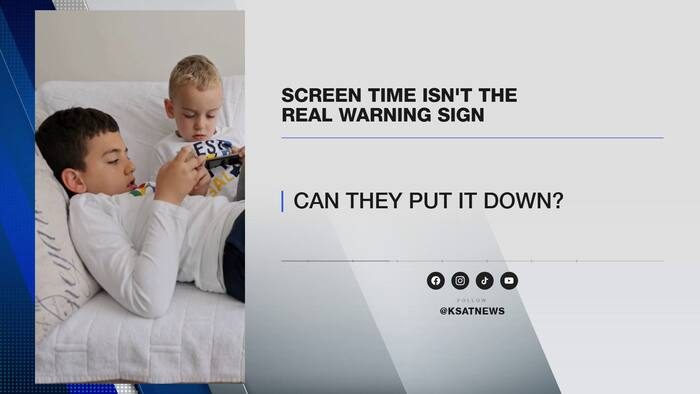
Parents across the country are being urged to take a closer look at how their children use phones, tablets, and other screens. The practice—often called a “digital pacifier”—involves handing a device to a child to calm, distract, or entertain them during busy moments such as meals, errands, or car rides.
What a digital pacifier looks like
A digital pacifier can seem harmless: a child watches a short video while the family runs a quick grocery trip, or a tablet keeps a toddler occupied during a long drive. However, experts caution that frequent reliance on screens for these purposes may interfere with healthy development and family interaction.
Why parents should be vigilant
Research shows that excessive screen time can affect attention spans, sleep patterns, and social skills. When a device becomes the default tool for soothing a child, it can limit opportunities for face‑to‑face conversation, play, and the development of coping skills.
Parents are encouraged to set clear limits, choose age‑appropriate content, and balance screen use with other activities such as reading, outdoor play, and family meals without devices.
Practical steps for families
- Designate screen‑free zones, especially at the dinner table and during bedtime routines.
- Use timers to limit how long a child can use a device in one sitting.
- Select educational or interactive content rather than passive video streams.
- Model healthy screen habits yourself; children often mimic adult behavior.
For a deeper look at the digital pacifier phenomenon and tips on what to watch for, families can view the accompanying video linked in the original report.
Original reporting: San Antonio, TX News (HLL/CB) — read the source article.