It was just past eight on a Sunday morning when I turned off Main Street and smelled the green chile roasting before I even saw the tables. The Red River Farmers Market sets up in the lot near the community center most summer weekends, and on a cool August morning at nearly nine thousand feet, that smell is about as good as an alarm clock gets.
The market is small — nobody’s going to pretend otherwise. You won’t find forty vendors or a dedicated parking garage. What you will find, most Sundays from late June through early September, is a tight cluster of local growers, a few artisans, and a handful of food vendors who actually live in and around Red River or nearby Questa and Taos County. That specificity matters. These aren’t regional distributors running a booth. The woman selling heirloom tomatoes grew them at around seven thousand feet in Arroyo Hondo. The guy with the dried herbs foraged most of them himself in the national forest.
I got there early enough to snag one of the last bags of pinto beans from a Questa family that’s been growing the same strain for three generations — or so they told me, and I believe it, because those beans cook down with a creaminess that the grocery store bag simply doesn’t have. Paid four dollars. I also picked up a small jar of piñon honey from a beekeeper out of Mora who explained, at length, exactly why piñon honey crystallizes faster than clover and why that’s actually a sign of quality. I did not fully follow all of it, but I bought two jars.
The chile vendor is the consistent draw. She brings both red and green from Chimayó, and by nine-thirty the line runs six or seven people deep. A small bag of dried red — enough to make a solid pot of posole — runs around eight to ten dollars depending on the grade. If you want her to grind it fresh on the spot into powder, she’ll do that too, though you’ll wait a few minutes.
There’s usually at least one craftsperson selling something worth looking at: hand-thrown pottery, silver jewelry, wool goods from churro sheep. Quality varies, as it does at any market, but the work tends to be genuinely local rather than mass-produced imports with a handmade price tag slapped on. I bought a small clay bowl last summer and use it every day.
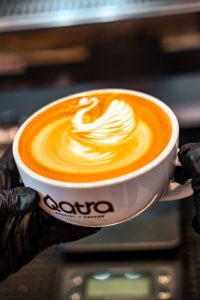
What I like most, honestly, is the pace. This isn’t a scene or a social event engineered for Instagram. People come because they need eggs or want good produce and there isn’t much else like it nearby. Locals show up in mud-crusted boots. Visitors wander over from their rentals holding coffee cups. The dogs are everywhere and universally well-behaved.
Parking is informal — Main Street or the adjacent side streets — and the whole thing wraps up by noon, sometimes earlier if vendors sell out. Go before ten if you want the best selection. Bring cash; most vendors don’t run card readers, and the one or two who do sometimes lose signal at altitude. Budget somewhere between fifteen and forty dollars depending on how hungry you are by the time you get there, which, given the chile smell, will probably be hungrier than expected.
It’s not the biggest market I’ve ever visited. It might be the most satisfying one I’ve come back to.