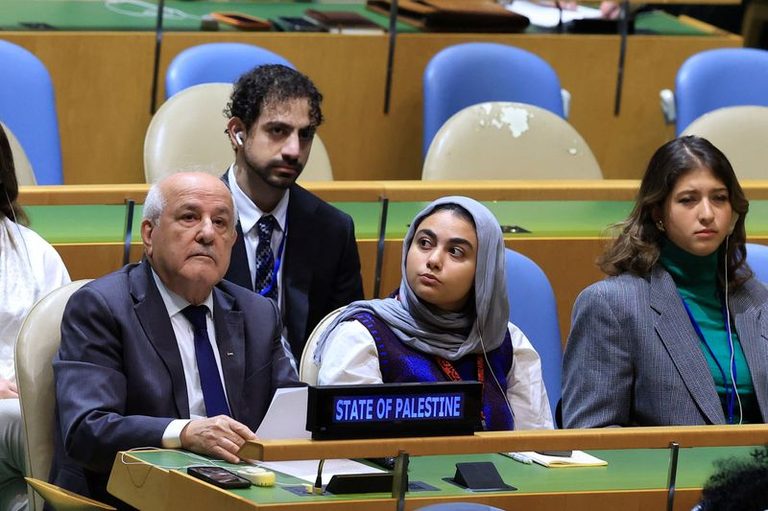
Palestinian President Mahmoud Abbas, 90, used a pre‑recorded video address to the United Nations General Assembly to reiterate his commitment to hold a legislative election on November 28, the first such vote in two decades. Abbas said the national reform program pledged to the Palestinian people and the international community has been completed, and that the election is a step toward greater self‑determination.
International and U.S. Context
In his remarks from Ramallah, Abbas condemned recent U.S. restrictions that barred Palestinian officials from entering the UN headquarters, calling the move a breach of Washington’s obligations as host nation. The Trump administration announced it would continue to deny entry to Palestinian officials, citing actions it deems aimed at “internationalizing the Israeli‑Palestinian conflict.” Abbas rejected these measures as unlawful punitive actions.
Domestic Challenges
Within the Palestinian Authority, doubts persist. Fatah officials have questioned whether the vote can be organized, citing obstacles such as Israel’s refusal to allow ballot boxes, election papers and ink into the Gaza Strip. The Palestinian Central Election Commission said it will begin receiving candidate applications this Saturday, but a final candidate list has not yet been released.
Hamas has indicated it will participate and is in talks with other groups to form a coalition that could challenge Fatah’s dominance. Former Fatah leader Mohammad Dahlan, based in the United Arab Emirates, is also mentioned as a potential successor to Abbas.
International Support
France, which recognized a Palestinian state last year, urged that both the legislative and upcoming presidential elections proceed. French Foreign Minister Jean‑Noël Barrot said France would keep pressing Abbas to honor a commitment made in a letter to President Emmanuel Macron and Saudi Crown Prince Mohammed bin Salman. He described elections as a way for the Palestinian people to express their legitimate aspiration for self‑determination.
Broader Implications
Abbas warned that accelerating Israeli settlement expansion in the occupied West Bank, including East Jerusalem, threatens the viability of a future Palestinian state. He called on the United States to lift the punitive measures, resume dialogue, and support international efforts toward a two‑state solution.
Abbas noted that 160 countries have recognized the State of Palestine and urged additional states to follow suit.
Original reporting: Appleton, WI News Feed (HLL/CB) — read the source article.