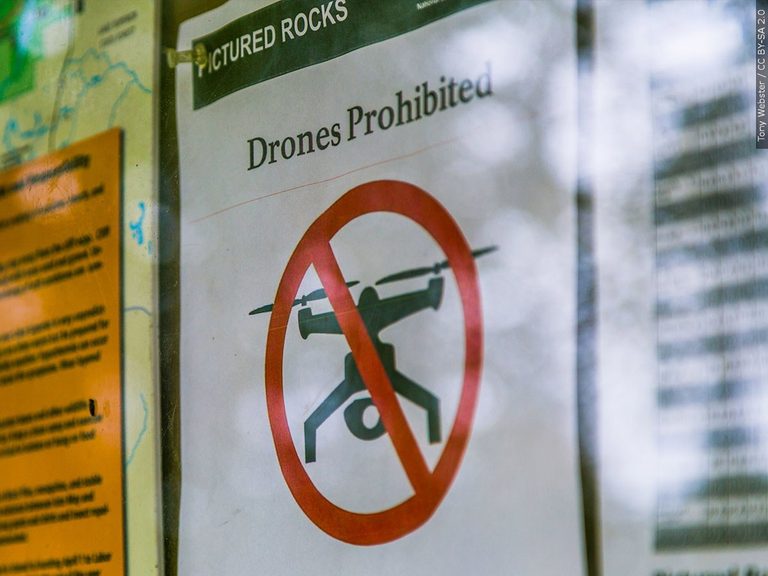
The Oregon Department of Aviation (ODAV) and the Oregon Department of Emergency Management (OEM) announced a coordinated warning to all drone operators in the state. Effective immediately, any unmanned aircraft flying over or near an active wildfire is prohibited, regardless of time of day.
Why the restriction matters
Firefighting planes and helicopters operate at low altitudes in the same airspace that recreational drones often use. When an unauthorized drone is detected near a blaze, aerial crews must halt their missions until the airspace is cleared. This interruption delays fire suppression, endangers crew members, and puts nearby communities at greater risk.
Recent incidents in Oregon have shown that drone interference can postpone critical water drops and retard containment efforts. Officials said that the presence of a drone forces pilots to abort missions, sometimes for several minutes, which can allow a fire to spread further.
Enforcement and penalties
Violators who fly drones within the designated no‑fly zones face civil penalties of up to $75,000 per violation. In addition, federal law allows for up to 12 months in prison for willful interference with emergency response aircraft. The penalties also include confiscation of the drone and permanent revocation of the operator’s pilot certificate.
“No photo is worth a federal prison sentence or a $75,000 fine,” said Andrew Jahier, director of response and recovery for OEM. “When your drone is in the air, fire aircraft can’t fly, delaying critical firefighting efforts. Don’t fly drones over wildfires, day or night – EVER.”
How to stay compliant
State officials urge all drone owners to check Temporary Flight Restrictions (TFRs) before each flight. Active wildfire zones are classified as strict no‑drone areas at all times, including nights and weekends. If a drone operator spots an unauthorized drone in a fire zone, they should report it immediately to local law enforcement or call 911.
Kenji Sugahara, director of ODAV, added, “Flying a drone near a wildfire can put lives at risk. Firefighting aircraft operate in extremely challenging conditions, and an unauthorized drone can force those aircraft out of the area when they are needed most. We need every drone owner to understand the responsibility that comes with flying. If there is a wildfire nearby, keep your drone on the ground and give firefighters the airspace they need to protect our communities.”
Statewide coordination
ODAV and OEM are working with federal agencies, local fire districts, and other partners to deploy drone‑detection equipment near active fire zones. The goal is to quickly identify and remove unauthorized drones, ensuring that aerial firefighting resources remain uninterrupted throughout Oregon’s fire season.
Residents are encouraged to stay informed about fire conditions through local news outlets and official agency alerts. By respecting the no‑fly zones, drone operators help safeguard both emergency responders and the neighborhoods they serve.
Original reporting: KTVZ (Central Oregon) — read the source article.