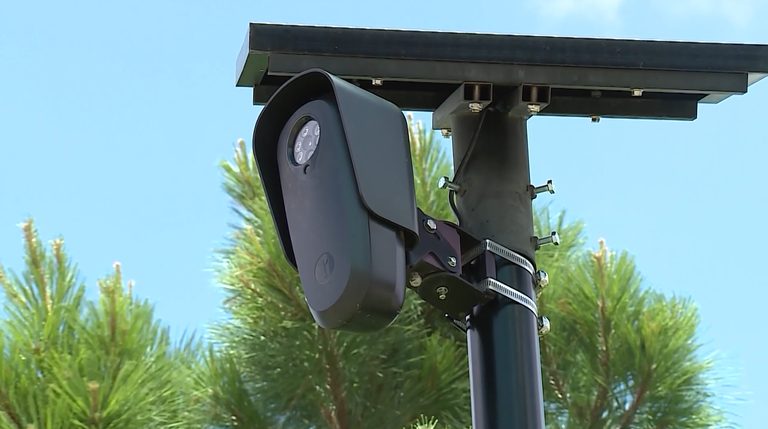
The Oklahoma City Council is set to vote on Tuesday about renewing a contract with private vendor Flock that would keep more than 90 license‑plate‑reading cameras operating across the city. The agreement, valued at over $250,000, was first approved in July 2023 and has since become a focal point of a heated local discussion.
What the contract covers
The renewal would allow Flock to continue providing hardware and software that captures license‑plate data from cameras installed on city streets, highways and public right‑of‑ways. According to Flock, the system does not employ facial‑recognition technology and does not collect personal data beyond the plate numbers themselves. The city’s latest manual, updated June 15, permits the police department to share captured data with other law‑enforcement agencies, a change that some residents say was not previously spelled out in policy.
Support from law‑enforcement
Police officials argue the cameras have been instrumental in investigations. They cite several cases, including the recovery of stolen vehicles and the identification of suspects in a 2025 Midtown shooting. Mark Nelson, president of the Fraternal Order of Police Oklahoma City, said the technology has helped keep violent offenders off the streets.
Privacy and effectiveness concerns
Opponents, organized under the banner “Deflock OKC,” contend that the cameras infringe on privacy and lack proven results. Jarrett Freeman, a spokesperson for the group, told KOCO‑5 that while there is no reasonable expectation of privacy in public spaces, the ability to aggregate plate reads over short intervals can effectively track an individual’s movements. Freeman urged the council to demand clear evidence that the system reduces crime before committing additional funds.
Freeman also highlighted the absence of an audit process. Requests for performance data have reportedly been met with vague responses, and the group says no formal procedures exist in city policies, standard operating procedures, or training manuals to evaluate the system’s impact.
Community worries about data sharing
Local residents expressed unease about how the data might be used beyond city limits. Armando Garcia, an Oklahoma City resident, called the expanded sharing provisions “an abuse of power,” noting that some officers have previously been convicted of using the cameras to stalk former or current partners. Garcia also raised concerns about potential collaboration with federal immigration enforcement, fearing that the technology could be leveraged in ICE raids.
Next steps
The council’s vote will determine whether the city renews the contract for another term. Council members have scheduled a public hearing where both law‑enforcement representatives and privacy advocates can present testimony. The outcome will shape how Oklahoma City balances public‑safety tools with constitutional privacy protections moving forward.
Regardless of the decision, the debate underscores a broader national conversation about the role of surveillance technology in communities and the need for transparent oversight.
Original reporting: Oklahoma City News Feed (HLL/CB) — read the source article.