Nearly a year after 18‑year‑old Shannon Rush was struck and killed by an SUV while walking to a bus stop on Old Blitchton Road, her sister Shanta Norton has turned the family’s grief into a concrete effort to keep other pedestrians safe.
Halo Glow: wearable safety for low‑light travel
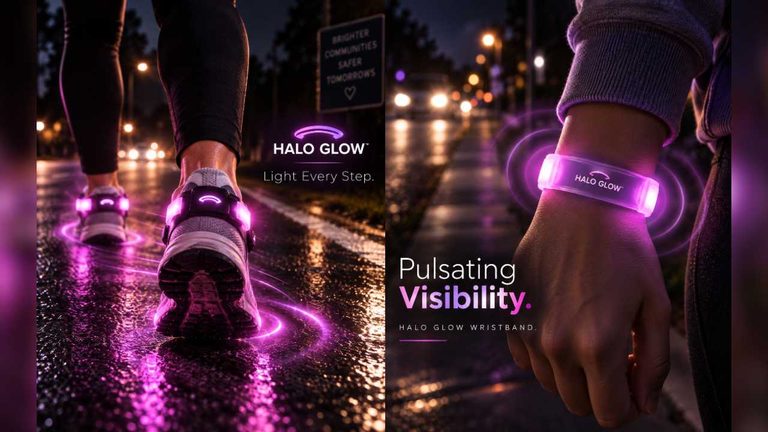
Norton, a resident of Ocala, unveiled the “Halo Glow” initiative, a line of wearable devices that illuminate or glow in the dark. The prototype accessories include bracelets, shoe clips and backpack clips that emit a pulsating light designed to catch a driver’s eye without creating a hazard for either party.
“It’s heartbreaking, and nobody should have to suffer this way,” Norton said. “The devices are safe for the driver as well as the pedestrian.” She hopes the products will first be used by students waiting for buses or walking to school, but she envisions a broader market for anyone traveling after dark.
Advocacy for safer streets
Beyond the hardware, Norton is pushing for what she calls “Shannon’s Law,” a state‑level proposal that would require sidewalks, adequate street lighting and additional signage along Old Blitchton Road and nearby streets. The effort is driven by the many children who continue to walk the same route that claimed her sister’s life.
“There are still so many kids walking that same direction that we never thought about the dangers of just them walking along the edge of the road,” Norton explained. “My nerves were a wreck after the accident, and I’m determined to make sure this cannot happen to another family.”
Seeking partners and funding
Halo Glow remains in the development phase. Norton is actively looking for manufacturers, engineers and community partners who can help turn the concept into a finished product. An online fundraiser has been created for anyone interested in supporting the effort.
While the initiative began as a response to Shannon’s death, Norton hopes it will eventually reach communities beyond Ocala. “If we can prevent other stuff from happening, why not try to make it a thing?” she said. “It’s not just this community. I would like to make it a nationwide thing, but I just want to help.”
Local impact and next steps
The Ocala community has responded with encouragement, and local schools are monitoring the project for possible pilot testing. If successful, Halo Glow could become a model for other Florida towns seeking low‑cost, high‑visibility solutions for pedestrians, especially in areas where sidewalks and lighting are limited.
For now, Norton continues to raise awareness, speak at school board meetings and gather the resources needed to bring her glowing devices to market. Her message is clear: safer streets start with visible pedestrians, and every child deserves a safe path to school.
Original reporting: WESH Orlando — read the source article.